



What's Happening?
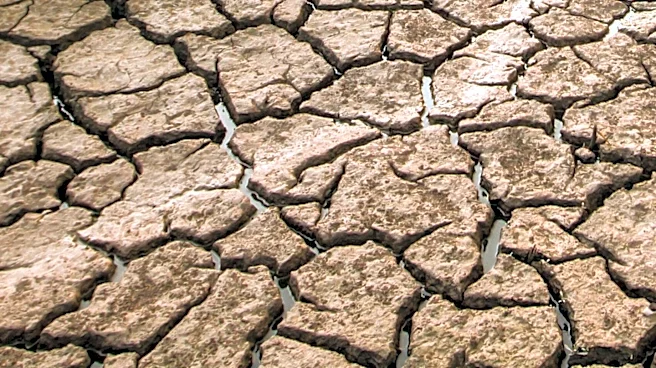
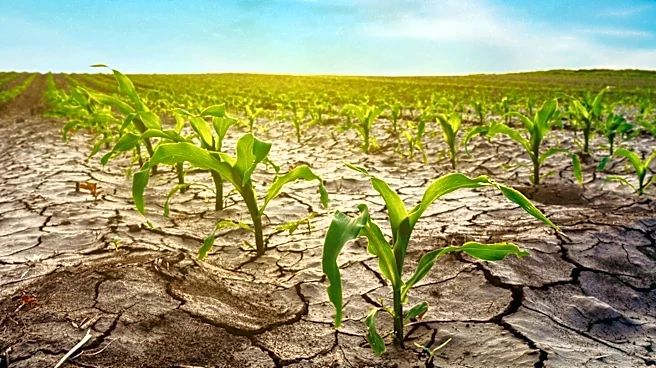
In Iraq's Diyala province, more than 40 villages south of Bahraz are experiencing acute water shortages. Residents are increasingly relying on groundwater wells as river flows fail to meet daily needs. The region, which has historically fluctuated between
flood and drought, is heavily dependent on cross-border water flows from Iran. Recent improvements in water availability have been noted, such as the revival of Mandali's orchards after a cross-border water release. However, warming temperatures and encroachments on rivers and canals have exacerbated the crisis. The Sirwan river, crucial for the province, has been affected by Iranian dam and diversion projects, reducing flows into Lake Hamrin, the main irrigation reservoir. Local authorities have reached an agreement with the Ministry of Water Resources to dredge the Khrisan river to improve water flow and restore supplies.
Why It's Important?
The water crisis in Diyala is part of a broader emergency in Iraq, which is facing one of its worst water shortages in decades. The situation highlights the vulnerability of regions dependent on cross-border water flows and the impact of upstream dam-building by neighboring countries like Iran and Turkey. The crisis affects agriculture, a key sector in Diyala, threatening food security and livelihoods. The reliance on groundwater wells is not sustainable long-term, and the situation underscores the need for effective water management and international cooperation. The crisis also poses a challenge to Iraq's government, which must balance domestic needs with diplomatic efforts to secure water resources.
What's Next?
Provincial authorities are urging the expedited dredging of the Khrisan river to ensure water availability for the next irrigation season. There are plans to open talks with Iran and the Kurdistan Region to increase water discharges and rebuild reserves. The success of these efforts will depend on the cooperation of upstream neighbors and the implementation of local water management strategies. Delays in addressing the crisis could exacerbate the impact on communities and agriculture, potentially leading to increased migration and social unrest.