





What's Happening?
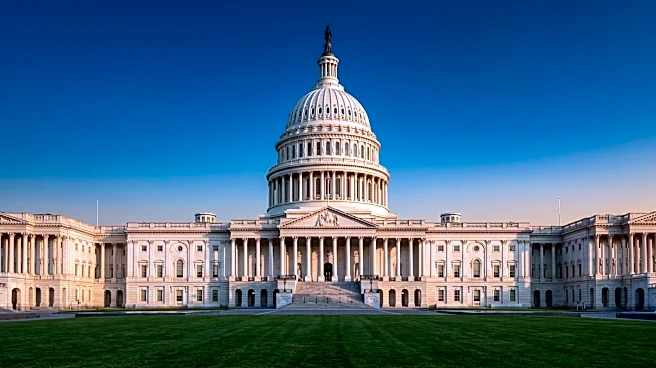
U.S. Congressman Ro Khanna, a Democrat, along with Republican Congressman John Moolenaar, Republican Congressman Dan Newhouse, and Democratic Congressman Jake Auchincloss, has reintroduced the CCP Fentanyl Sanctions Act. This bipartisan legislation aims
to impose sanctions on Chinese chemical manufacturers, online vendors, ports, and financial networks accused of facilitating the flow of fentanyl and its precursor chemicals into the United States. The bill specifically targets China-based and Chinese Communist Party-backed entities involved in the production, sale, or transportation of synthetic narcotics and their manufacturing chemicals. Congressman Khanna emphasized the devastating impact of fentanyl on American communities and the necessity of holding responsible networks accountable. The legislation would expand existing sanction powers to include Chinese vessels and ports that knowingly or recklessly aid in the transportation of illicit synthetic narcotics, as well as Chinese online marketplaces and other entities that facilitate their sale. It also allows the President to restrict correspondent and payable-through accounts of foreign financial institutions if they knowingly facilitate transactions for individuals involved in synthetic narcotics trafficking. This measure builds upon and codifies Executive Order 14059, which addressed foreign entities in the global illicit drug trade.
Why It's Important?
This legislative effort is significant because it directly addresses the ongoing fentanyl crisis in the United States, which has caused widespread devastation and a high number of fatal drug overdoses. By targeting Chinese entities, the bill seeks to disrupt the supply chain of illicit fentanyl and its precursors at their source. The bipartisan nature of the legislation underscores a unified front in Congress against this critical public health and national security issue, indicating a strong political will to implement stringent measures. If enacted, the sanctions could have substantial economic and diplomatic implications for China, potentially straining U.S.-China relations further. For U.S. industries, particularly those involved in trade and finance with China, there could be increased scrutiny and compliance requirements to avoid inadvertently facilitating sanctioned activities. The legislation aims to protect American families and communities by reducing the availability of illicit fentanyl, thereby potentially saving lives and alleviating the burden on healthcare and law enforcement systems. The expansion of sanction powers and the focus on financial networks highlight a comprehensive approach to combating drug trafficking, recognizing the financial underpinnings of these illicit operations.
What's Next?
The CCP Fentanyl Sanctions Act will now proceed through the legislative process in Congress. Its reintroduction signals a continued push for accountability regarding China's role in the fentanyl crisis. The bill would grant authorities for future action, meaning that specific Chinese companies, vessels, ports, online marketplaces, or financial institutions would not be immediately sanctioned upon passage. Instead, the President or relevant U.S. agencies would be empowered to determine if an entity has knowingly or recklessly facilitated fentanyl trafficking before imposing sanctions. This phased approach allows for ongoing investigation and evidence gathering. Major stakeholders, including the Chinese government, could react to this legislation with diplomatic protests or retaliatory measures, potentially escalating trade tensions. U.S. businesses with operations in China or those relying on Chinese supply chains will need to monitor the bill's progress closely and prepare for potential impacts on their operations and compliance obligations. The effectiveness of the legislation will depend on its passage, the subsequent enforcement actions by U.S. agencies, and the willingness of the international community to cooperate in disrupting global fentanyl supply chains.
Beyond the Headlines
Beyond the immediate goal of curbing fentanyl flow, this legislation touches upon deeper geopolitical and ethical considerations. It highlights the complex interplay between international trade, national security, and public health. The accusation that the Chinese Communist Party subsidizes fentanyl precursors raises questions about state-sponsored illicit activities and the ethical responsibilities of nations in controlling dangerous substances. The bill's focus on financial networks and correspondent accounts underscores the vulnerability of the global financial system to illicit activities and the need for robust anti-money laundering measures. Furthermore, the legislation could set a precedent for how the U.S. addresses other transnational criminal enterprises that leverage global supply chains and financial systems. It also brings to light the ongoing debate about the balance between economic engagement with China and addressing its problematic practices. The long-term implications could include a re-evaluation of international drug control strategies and increased pressure on countries to regulate their chemical industries more stringently to prevent diversion for illicit purposes. The ethical dimension of corporate responsibility in preventing the misuse of their products and services also comes into sharper focus.