


What's Happening?
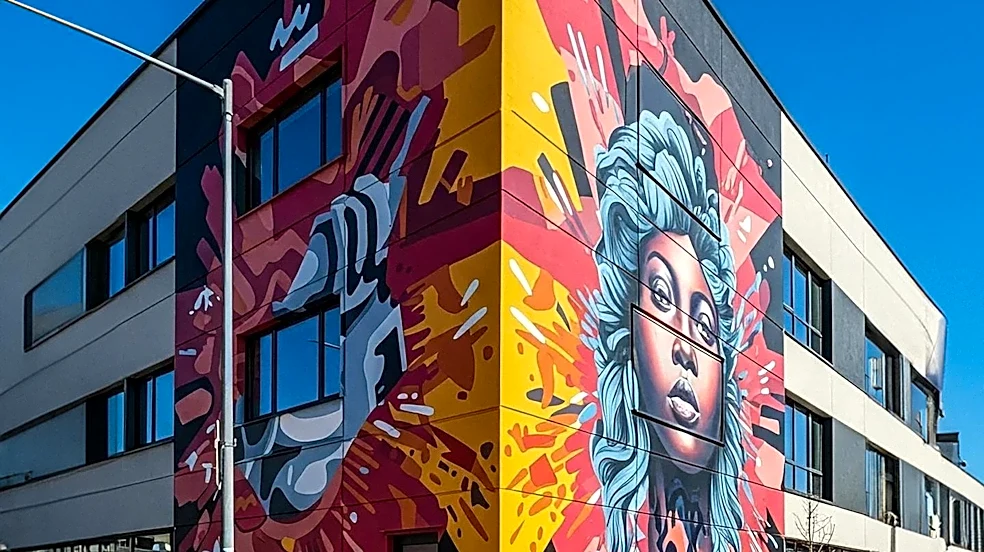
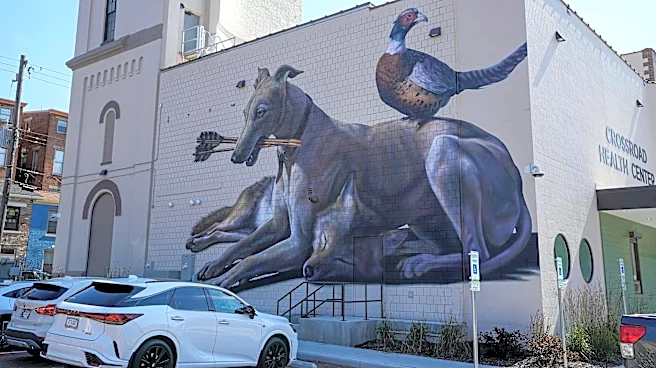
Missoula, Montana, has seen the completion of several new mural projects, significantly contributing to the city's public art landscape. Among these is a large-scale mural on the Clark Fork Riverside building, created by artists Ernest Doty and AJ Tiam,
which depicts scenes inspired by Montana life, including local wildlife and landscapes. This mural, standing 113 feet tall and covering over 6,000 square feet, is the tallest in Missoula. Additionally, the Downtown Riverside Art Walls (DRAW) Indigenous Murals Project has wrapped up its fourth wall, featuring ledger artworks by ten Indigenous artists from Montana. This project, located on the NorthWestern Energy substation, celebrates Indigenous art and language. Another mural, 'Sx̣elí x̣èct u Ql̓epm' (Camas Dig and Bake), designed by Aspen Decker and Cameron Decker, is on the Montana Natural History Center and depicts a traditional Bitterroot Salish cultural practice. Lillian Nelson's 'Joy Blooms' mural also adds beauty to the Northside neighborhood. These initiatives are part of a broader effort to use art for placemaking and community engagement.
Why It's Important?
These mural projects are important for several reasons, impacting community aesthetics, cultural representation, and local economic development. The large-scale artworks transform previously blank walls into vibrant public spaces, enhancing the visual appeal of downtown Missoula and creating new attractions for residents and visitors. The Indigenous Murals Project, in particular, plays a crucial role in celebrating and preserving Indigenous art, language, and cultural practices, offering a powerful statement of presence and heritage in their homeland. This initiative fosters cultural understanding and pride within the community. Furthermore, the murals contribute to Missoula's placemaking efforts, which aim to create inviting, healthy, and vibrant public environments. The Missoula Downtown Foundation's Arts and Culture Impact Grant Program, which has funded some of these murals, demonstrates a commitment to integrating art into urban development, potentially boosting local tourism and supporting artists.
What's Next?
The ongoing success of these mural projects suggests a continued focus on public art in Missoula. The Missoula Downtown Foundation's Arts and Culture Impact Grant Program is expected to continue funding similar initiatives, with eight murals funded since 2023 and more anticipated. Property owners and community groups are likely to explore further opportunities for public art installations, both through formal grant programs and independent projects. The increased visibility of Indigenous art through projects like the DRAW Indigenous Murals Project may lead to more collaborations with Indigenous artists and a greater emphasis on cultural representation in public spaces. The city's encouragement for the public to enjoy these murals indicates a desire for ongoing community engagement with the art, potentially leading to organized art walks or educational programs to highlight the stories and artists behind the works. Future developments may also include exploring new locations and themes for murals, further enriching Missoula's urban landscape.
Beyond the Headlines
Beyond their immediate visual impact, these murals carry deeper implications for community identity and social cohesion. The integration of Indigenous art into prominent public spaces challenges historical narratives and promotes a more inclusive understanding of the region's heritage. By showcasing the work of local artists, particularly Indigenous artists, the projects foster a sense of belonging and pride among diverse community members. The interactive nature of some projects, where artists engage with passersby, highlights the role of art as a catalyst for social connection and dialogue. Moreover, the emphasis on placemaking through art can contribute to a more walkable and engaging urban environment, potentially influencing urban planning strategies to prioritize cultural and aesthetic elements alongside functional infrastructure. The long-term impact could include a stronger local arts economy, increased cultural tourism, and a more vibrant, culturally aware community that values artistic expression as an integral part of its public life.