





What's Happening?
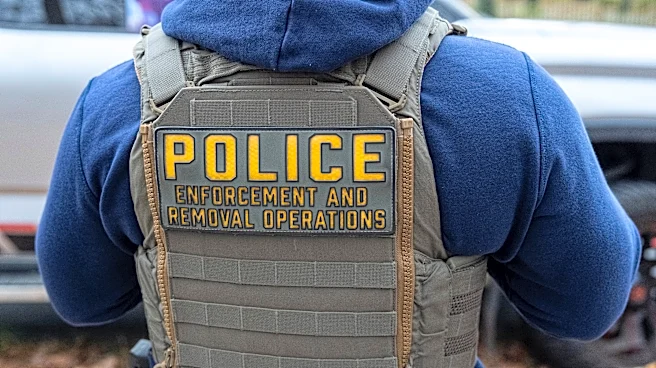
U.S. Immigration and Customs Enforcement (ICE) has come under scrutiny following an investigation revealing that the agency hired individuals with questionable backgrounds during a recent hiring spree. This recruitment effort, which aimed to double ICE's
workforce by adding 12,000 new officers and special agents, was fueled by a $75 billion allocation from Congress to support President Trump's mass deportation agenda. The Associated Press investigation found that some new hires had histories of financial problems, legal issues, and previous employment terminations. Despite ICE's claims of rigorous vetting, the rapid hiring process has raised concerns about the qualifications and integrity of the new recruits. Notably, some recruits had been involved in incidents of excessive force or had faced lawsuits in previous law enforcement roles.
Why It's Important?
The hiring of individuals with questionable backgrounds by ICE has significant implications for the agency's operations and public trust. The presence of inadequately vetted officers could lead to increased incidents of misconduct, abuse of power, and legal liabilities for the agency. This situation highlights the challenges of balancing rapid expansion with maintaining high standards of recruitment, especially in law enforcement agencies where integrity and accountability are paramount. The scrutiny of ICE's hiring practices also reflects broader concerns about the impact of aggressive immigration enforcement policies on communities and the potential for civil rights violations.
What's Next?
Moving forward, ICE may face increased pressure from lawmakers, civil rights organizations, and the public to improve its vetting processes and ensure that new hires meet stringent qualifications. The agency might need to revisit its recruitment strategies and provide additional training to address gaps in knowledge and skills among new officers. Additionally, there could be calls for greater transparency and accountability in ICE's operations to restore public confidence and prevent future controversies related to hiring practices.