


What's Happening?
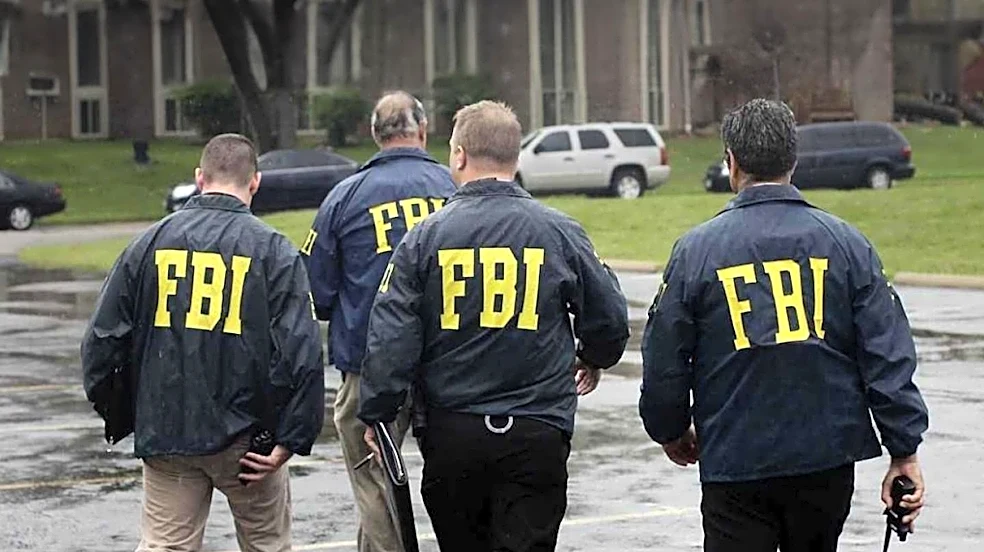
The FBI has launched an investigation into suspicious mailings, some containing unidentified substances, sent to multiple congressional offices across California and other parts of the country. Several California representatives, including Rep. Jimmy
Panetta, Rep. Gil Cisneros, Rep. Kevin Kiley, Rep. Ami Bera, and Rep. Josh Harder, reported receiving such mail. Rep. Panetta stated that a staffer in his Santa Cruz office opened an envelope with a white powdery substance. Rep. Cisneros closed his Covina district office as a precaution after receiving a 'suspicious letter.' Rep. Kiley's Rocklin office also received an envelope with a suspicious powder, which a staff member handled using a specialized quarantine enclosure. Rep. Bera's office received one in Washington D.C. and anticipated another in Sacramento, while Rep. Harder's Stockton office received mail with a suspicious substance. Law enforcement agencies, including the U.S. Postal Inspection Service, are collaborating with the FBI on the investigation. Authorities have not publicly identified the substances or announced any arrests.
Why It's Important?
This incident highlights a concerning trend of threats and intimidation against public servants, which lawmakers like Rep. Panetta assert undermines democratic processes. The widespread nature of these mailings, affecting multiple congressional offices, suggests a coordinated effort to disrupt government operations and potentially endanger staff. Such events can create an environment of fear, potentially deterring individuals from public service or impacting the efficiency of congressional offices as they take precautions. The involvement of federal agencies like the FBI and U.S. Postal Inspection Service underscores the seriousness of these threats and the potential for federal charges against those responsible. The closure of offices, even temporarily, can also affect constituents' access to services and representation.
What's Next?
The FBI, in collaboration with the U.S. Postal Inspection Service and other law enforcement agencies, will continue its investigation to identify the individuals or groups responsible for sending the suspicious mail. This will involve forensic analysis of the substances found and tracing the origins of the mailings. Congressional offices that received suspicious mail, such as Rep. Kiley's Rocklin office, will remain closed until authorities deem them safe to reopen. Lawmakers are likely to reinforce security protocols for incoming mail and office safety. Public statements from affected representatives indicate a resolve to continue their work despite these threats, but the ongoing investigation will determine the extent of the threat and any necessary long-term security adjustments.
Beyond the Headlines
The repeated targeting of congressional offices with suspicious mailings points to a broader issue of political polarization and the escalation of hostile tactics in the U.S. political landscape. Beyond the immediate physical threat, these incidents contribute to a climate of fear and distrust, potentially eroding public confidence in the safety of democratic institutions. The language used by some lawmakers, such as Rep. Kiley's call to 'bring down the temperature in our politics and embrace a return to civility,' suggests a recognition of the underlying societal tensions fueling such acts. This trend could lead to increased security budgets for government buildings and personnel, and a re-evaluation of how political discourse is conducted to prevent further radicalization and acts of intimidation.