
What's Happening?
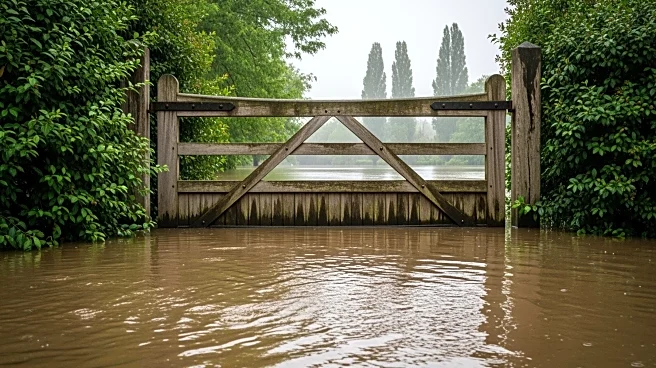
Severe flooding in South Africa has led to the closure of the Kruger National Park, following extreme rainfall that has resulted in dozens of deaths in the region. The South African Weather Service issued
its highest weather warning, as heavy rains caused significant damage, including road collapses and river overflows. The flooding has also affected neighboring Mozambique, where communities have been stranded. The South African Air Force has been deployed to assist with evacuations, and President Cyril Ramaphosa has visited affected areas to assess the damage.
Why It's Important?
The flooding highlights the vulnerability of southern Africa to extreme weather events, which are becoming more frequent and severe due to climate change. The closure of Kruger National Park, a major tourist attraction, could have economic implications for the region, affecting tourism revenue and local livelihoods. The disaster underscores the need for improved infrastructure and emergency response systems to mitigate the impact of such events. It also raises concerns about the preparedness of governments in the region to handle climate-related disasters.
What's Next?
Efforts to manage the immediate aftermath of the flooding will continue, with a focus on rescue operations and providing aid to affected communities. Long-term, there may be increased pressure on governments to invest in infrastructure improvements and climate adaptation strategies. International aid and support may be sought to assist with recovery efforts. The situation could also prompt discussions on regional cooperation to address climate change and disaster preparedness.