







What's Happening?
Officials in the Democratic Republic of Congo (DRC) and Africa's top public health agency have expressed serious concerns regarding $700 million in Ebola aid that remains unaccounted for. This revelation comes as the Ebola outbreak in the DRC continues
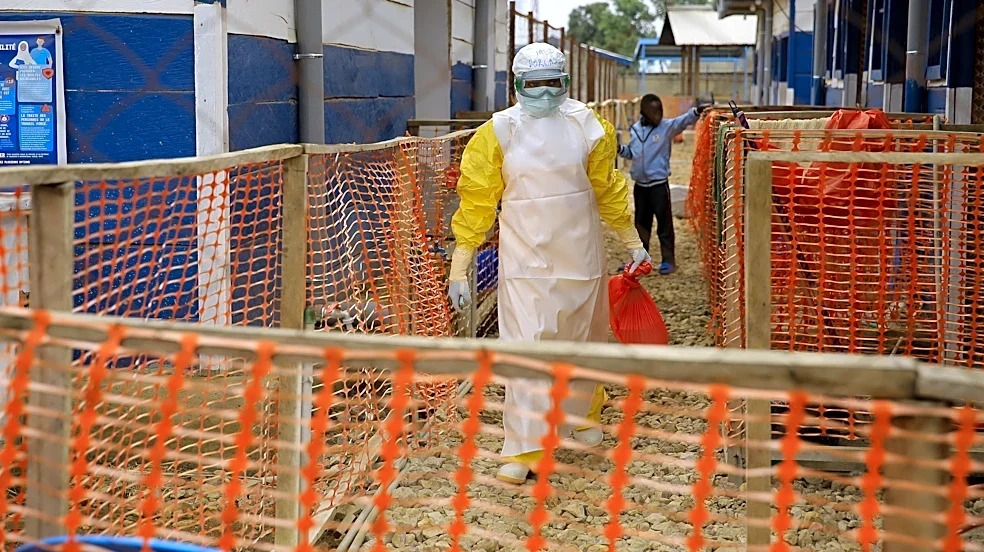
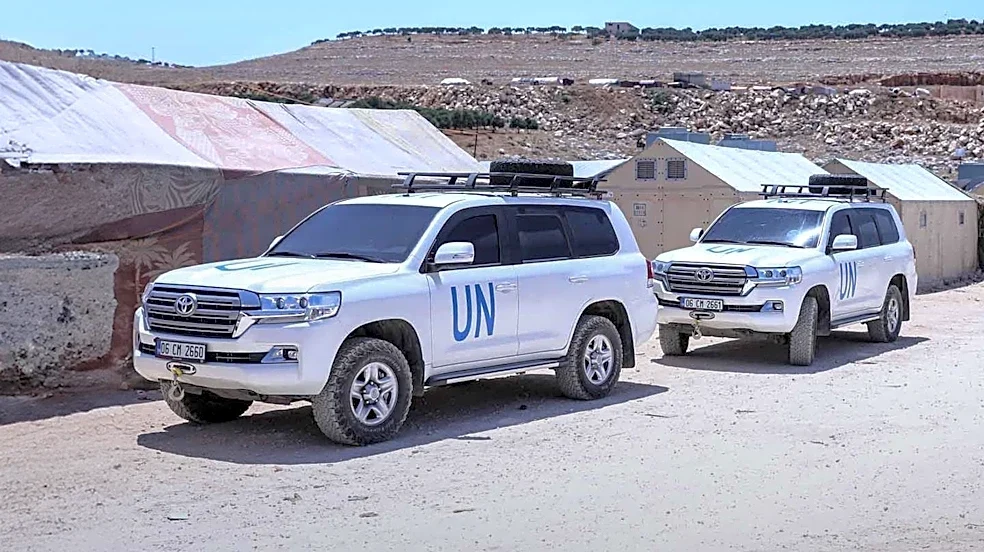
to spread, now affecting eight provinces and neighboring countries like Kenya and Uganda. Dr. Jean Kaseya, director general of the Africa Centres for Disease Control and Prevention, stated that out of $962 million disbursed by international donors for the Ebola response in eastern Congo, only $200 million has been accounted for by organizations on the ground. These organizations include UN agencies such as WHO, UNICEF, and WFP, as well as international charities. A recent meeting organized by Congo's health ministry saw only one-third of the involved organizations provide financial records, accounting for $228 million received, with $127 million spent and approximately $100 million remaining. The Africa CDC has criticized this significant lack of transparency, preventing a comprehensive overview of resource utilization and results. Congolese authorities, who have not directly received international donor funds, are investigating the matter and have restricted operations to only 25 out of nearly 100 previously authorized organizations.
Why It's Important?
The unaccounted $700 million in Ebola aid highlights persistent issues of transparency and accountability within the DRC, a nation frequently battling major epidemics. This lack of financial clarity can severely undermine public trust in aid efforts, potentially exacerbating the challenges of controlling the current Ebola outbreak. Previous outbreaks have been marred by allegations of corruption and mismanagement, which experts believe contribute to community mistrust, complicating response efforts. Frontline healthcare workers have reported unpaid salaries and dangerous conditions, further fueling skepticism about how funds are managed. If aid funds are not transparently managed and effectively deployed, it directly impacts the ability to provide adequate care, procure necessary supplies, and implement crucial public health measures. This situation could lead to a prolonged outbreak, increased fatalities, and a greater risk of regional and international spread, as the virus has already reached Kenya and Uganda. The integrity of international humanitarian aid is also at stake, potentially affecting future donor confidence and funding for critical health crises.
What's Next?
Both the Africa CDC and Congolese authorities have committed to investigating the whereabouts and utilization of the missing funds. The Africa CDC plans to work closely with Congolese authorities to conduct this inquiry. Congolese Health Minister Samuel Roger Kamba has indicated that implementing organizations are now required to report detailed information on funds received, sources, and expenditure plans. This increased scrutiny aims to enforce greater transparency and accountability among aid groups operating in the country. The government's decision to restrict the number of accredited organizations from nearly 100 to 25 suggests a move towards tighter control and oversight of the Ebola response efforts. Future steps will likely involve more stringent reporting requirements for all aid organizations and potential sanctions or withdrawal of accreditation for those failing to comply. The outcome of these investigations could influence how international aid is structured and monitored in future health crises within the DRC and potentially other vulnerable nations, emphasizing direct government involvement in financial oversight.
Beyond the Headlines
The controversy surrounding the unaccounted Ebola aid extends beyond immediate financial mismanagement, touching upon deeper ethical and systemic issues within international humanitarian response. The perception that Ebola has become a 'business for many NGOs,' as expressed by local residents, erodes the moral authority of aid organizations and fosters cynicism among affected populations. This mistrust can lead to resistance against public health interventions, such as vaccination campaigns or safe burial practices, which are crucial for containing outbreaks. Legally, the lack of transparency could prompt calls for stricter international regulations on how aid funds are tracked and audited, especially in conflict-affected or governance-challenged regions. Culturally, the repeated instances of alleged corruption can perpetuate a narrative of exploitation, where external assistance is viewed with suspicion rather than as genuine support. Long-term, this situation could trigger a re-evaluation of the partnership models between international donors, aid organizations, and national governments, pushing for more equitable and transparent frameworks that empower local authorities and build sustainable health infrastructure.