
What's Happening?
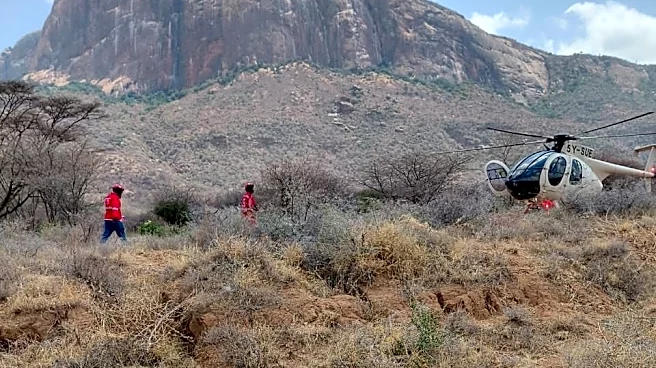
A helicopter carrying tourists on a safari crashed on Wednesday in a remote area of Northern Kenya, resulting in the deaths of all seven people on board. The U.S. State Department confirmed that five of the fatalities
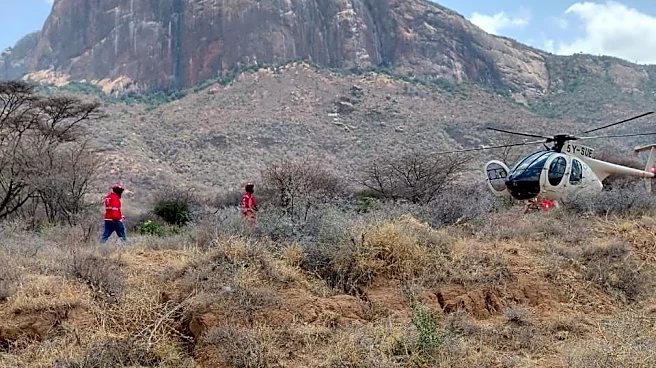
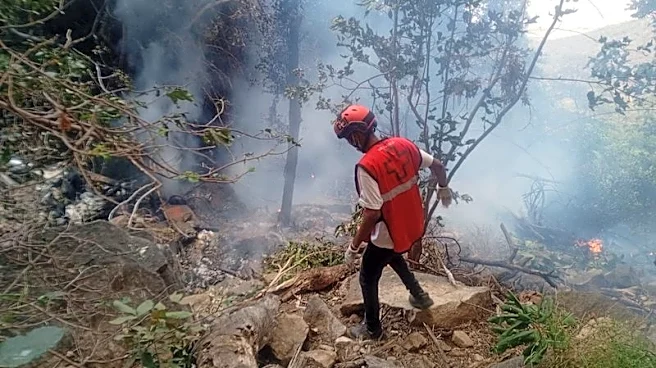
were Americans. The helicopter crashed at 9:13 a.m. while en route from the Loisaba Conservancy to the Ewaso Nyiro area in Samburu County. The Kenya Civil Aviation Authority has initiated an investigation into the incident. Among the deceased were José Alberto Suárez, president and general manager of Telemundo 31, Telemundo 49, and Telemundo Fort Myers-Naples, as confirmed by NBCUniversal. Additionally, Ecuador's intelligence chief, Michele Sensi-Contugi, and his wife were also killed in the crash. The helicopter, a Eurocopter EC130 B4, was operated by Lady Lori Helicopters and was carrying guests from the travel company & Beyond. Search and rescue efforts by the Kenya Red Cross and Tropic Air Kenya were hampered by difficult terrain and an active fire at the crash site.
Why It's Important?
This tragic incident underscores the inherent risks associated with adventure tourism, particularly in remote and challenging geographical areas. The loss of five American lives, including a prominent U.S. media executive, highlights the global reach of such events and their impact on communities both domestically and internationally. For the U.S., it necessitates consular assistance and support for the affected families. For Kenya, a country heavily reliant on its vibrant tourism industry, such accidents can have significant repercussions on its reputation and the confidence of international travelers. The involvement of high-profile individuals also brings increased scrutiny to aviation safety standards and emergency response capabilities in tourist destinations. The ongoing investigation will be crucial in determining the cause of the crash and potentially informing future safety measures for air travel in remote regions.
What's Next?
The Kenya Civil Aviation Authority will continue its investigation to determine the exact cause of the helicopter crash. This will likely involve examining flight recorders, maintenance records, and witness accounts. The U.S. Embassy will continue to provide consular assistance to the families of the American victims, including repatriation efforts. NBCUniversal and the Ecuadorian government will mourn the loss of their respective officials, and tributes are expected to continue. The tourism industry in Kenya, particularly safari operators, may face increased pressure to review and enhance their safety protocols and emergency response plans. Depending on the investigation's findings, there could be calls for stricter regulations or improved oversight of aviation services catering to tourists in remote areas, both domestically and internationally.
Beyond the Headlines
The increasing regularity of helicopter crashes in Kenya, as noted in the source, points to a systemic issue that extends beyond this single incident. This raises deeper questions about the infrastructure, maintenance standards, and regulatory enforcement within the country's domestic aviation sector, especially as it caters to a booming tourism industry. The incident also highlights the global interconnectedness of travel and the shared human experience of tragedy, as individuals from different nations were united in this unfortunate event. The loss of a media executive and an intelligence chief underscores how such incidents can impact various sectors, from journalism to national security. This event serves as a somber reminder of the delicate balance between the allure of exotic travel and the critical importance of robust safety measures and emergency preparedness in all corners of the world.