








What's Happening?
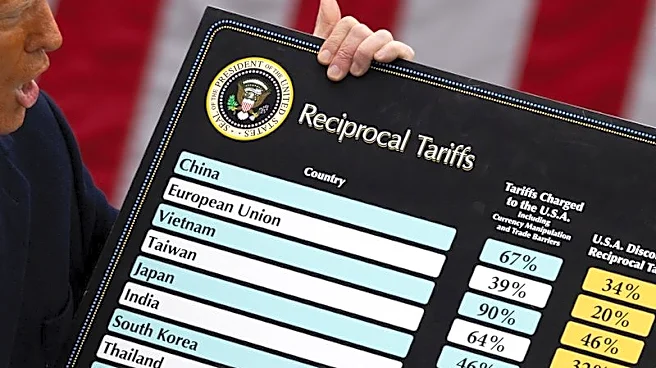
The U.S. Customs and Border Protection (CBP) has launched a tariff refund program following a Supreme Court decision that struck down tariffs imposed by President Trump. The program, which involves $166 billion in refunds, is vulnerable to fraud similar
to that seen during pandemic relief efforts. Fraudsters may exploit the program's complexity and digital disbursement process to intercept legitimate refunds. The program's structure, which involves multiple eligibility criteria and digital transactions, creates opportunities for business email compromise attacks and other fraudulent activities.
Why It's Important?
The potential for fraud in the tariff refund program poses a significant risk to taxpayers and businesses. The program's scale and rapid implementation echo the challenges faced during the pandemic relief efforts, where billions were lost to fraud. Ensuring the integrity of the refund process is crucial to maintaining public trust and preventing financial losses. The situation underscores the need for robust fraud prevention measures and highlights the vulnerabilities in government payment systems.
What's Next?
To mitigate fraud risks, CBP may need to implement stronger security measures, such as multi-factor authentication and independent verification of banking information. There could be increased scrutiny of claims and enhanced monitoring for suspicious patterns. Legislative action may be required to provide CBP with the authority to pause disbursements when fraud is suspected. The government may also consider adopting private sector risk management practices to improve the program's resilience against fraud.