


What's Happening?
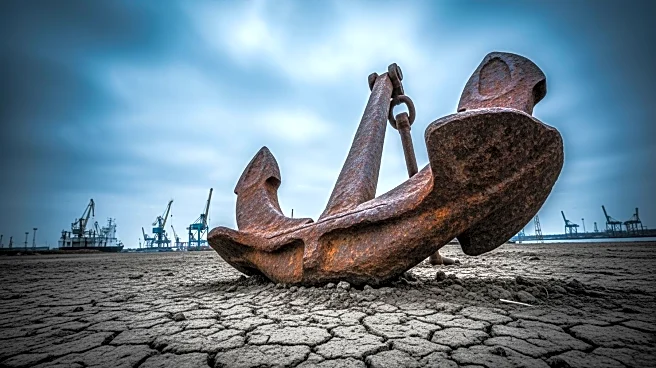
Eilat Port, a key strategic location in southern Israel, is experiencing a severe crisis due to prolonged disruptions in Red Sea shipping routes and geopolitical tensions. Over the past two years, attacks on commercial vessels and uncertainty have nearly
halted operations at the port. Revenue has plummeted from approximately 240 million shekels annually to near zero, with minimal state assistance provided. The port's operators, the Nakash Group, face the potential non-renewal of their operating concession by the government, citing unmet conditions. The crisis intensified after Houthi forces seized a vessel bound for Eilat, leading major shipping companies to cease operations to the port.
Why It's Important?
The situation at Eilat Port has significant implications for Israel's economy and regional trade dynamics. The port serves as a crucial entry point for vehicle imports from East Asia, and its shutdown has led to logistical challenges and increased costs for consumers. The crisis also highlights vulnerabilities in global supply chains and the impact of geopolitical conflicts on commercial operations. The potential closure of the port could result in job losses and economic setbacks for the region, emphasizing the need for strategic planning and government intervention to stabilize operations.
What's Next?
A critical hearing is scheduled at the Finance and Transportation ministries to decide the future of the port's operating concession. Port officials are advocating for continued operations, citing external factors as the cause of the crisis. The government faces pressure to either enforce an import directive or provide financial support to sustain the port. The outcome of the hearing will determine whether the port can resume operations and maintain its strategic role in the region.
Beyond the Headlines
The crisis at Eilat Port reflects broader challenges in adapting to changing global shipping trends and geopolitical realities. The port's reliance on vehicle imports and limited container traffic highlights structural issues that need addressing. The situation underscores the importance of diversifying trade routes and enhancing infrastructure to accommodate modern shipping demands. Additionally, the crisis raises questions about the role of government support in maintaining critical infrastructure during periods of instability.