






What's Happening?
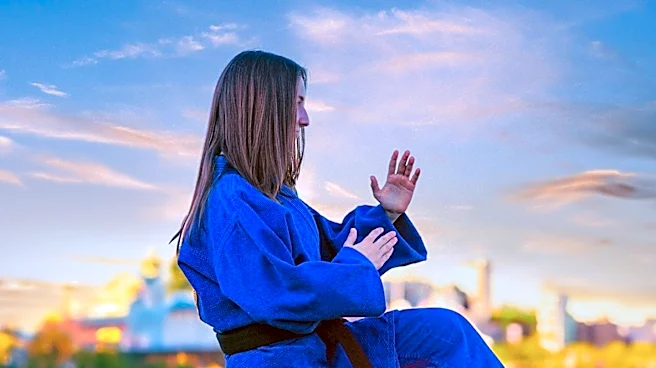
A women’s self-defense class is providing participants with essential skills for personal safety, focusing on both situational awareness and physical techniques. Katherine Ambrose, an aging-well coach and expert from Aging Untold, emphasizes that effective
self-defense begins with awareness, encouraging individuals to trust their intuition and remove themselves from uncomfortable situations before physical contact occurs. The class teaches practical physical maneuvers, such as using the heel of the palm to strike the nose or chin, and techniques to break free from wrist grabs. Ambrose highlights the particular importance of self-defense for older adults, who may feel more physically vulnerable, noting that the classes foster empowerment and confidence by providing options beyond physical confrontation. Beyond emergency preparedness, these classes also offer benefits like improved balance, coordination, and quick decision-making, which are valuable for daily life and mobility.
Why It's Important?
This self-defense initiative is crucial for enhancing personal safety and empowerment, particularly for women and older adults in the U.S. By focusing on situational awareness, it promotes a proactive approach to safety, potentially reducing the incidence of dangerous encounters. The physical techniques taught provide practical tools for self-protection, which can be vital in situations where avoidance is not possible. For older adults, these classes offer a dual benefit: not only do they equip them with self-defense skills, but they also contribute to improved physical health through enhanced balance and coordination, directly impacting their independence and quality of life. This program addresses a significant societal concern regarding personal safety and vulnerability, fostering a sense of security and confidence among participants, which can have far-reaching positive effects on their daily lives and mental well-being.
What's Next?
The success of such self-defense classes could lead to increased demand for similar programs across the U.S., potentially prompting community centers, fitness studios, and educational institutions to offer more comprehensive self-defense training. There might be a greater emphasis on tailoring these programs to specific demographics, such as older adults or college-bound students, to address their unique safety concerns. Furthermore, the focus on situational awareness could be integrated into broader public safety campaigns, encouraging a more vigilant and proactive citizenry. The demonstrated benefits in balance and coordination might also encourage healthcare providers to recommend self-defense classes as a form of preventative health and fitness for older adults, leading to wider adoption and integration into wellness programs.
Beyond the Headlines
The impact of self-defense classes extends beyond immediate physical protection, fostering a profound sense of psychological empowerment and autonomy. For many participants, especially women and older adults, learning self-defense can challenge ingrained societal narratives about vulnerability and helplessness. It cultivates a mindset of resilience and self-reliance, which can positively influence various aspects of their lives, from personal relationships to professional endeavors. The emphasis on intuition and setting boundaries also promotes a deeper understanding of personal agency and self-respect. Culturally, the proliferation of such classes could contribute to a broader societal shift towards valuing personal safety education and empowering individuals to protect themselves, rather than solely relying on external protection. This can lead to a more confident and secure populace, fostering a stronger sense of community well-being.