




What's Happening?
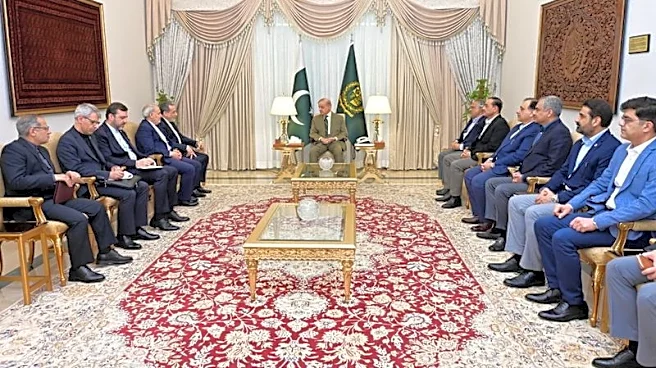
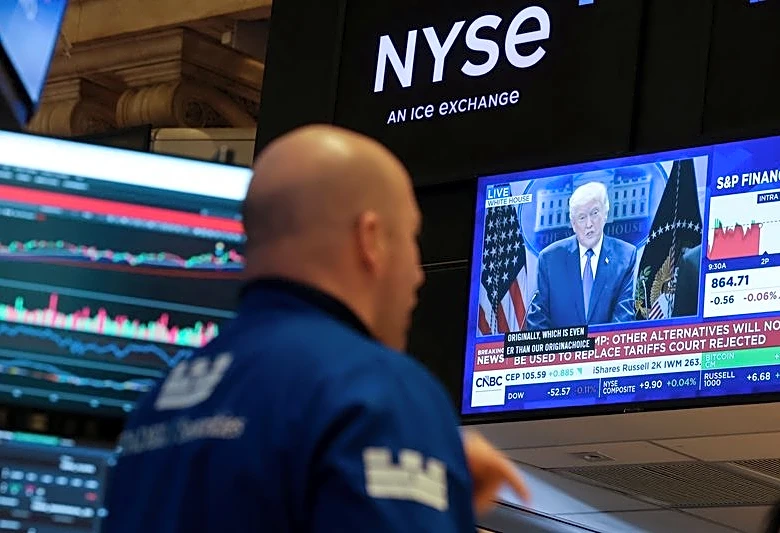
President Trump has canceled a planned trip by a US delegation to Pakistan for peace talks with Iran, citing the trip as a waste of time. The delegation, which included special envoy Steve Witkoff and Trump's son-in-law Jared Kushner, was set to engage
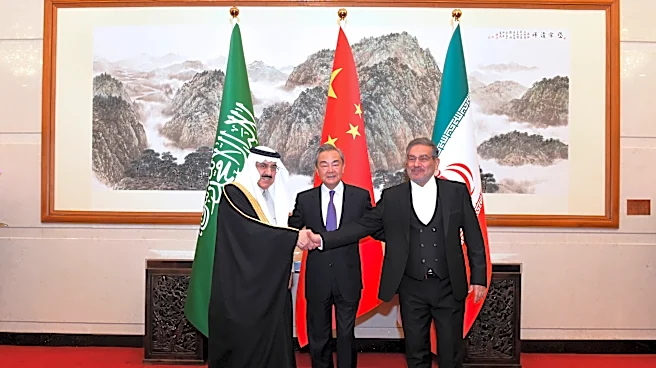
in talks intermediated by Pakistani officials. Trump announced the cancellation, stating that the US holds all the leverage in the negotiations and criticized the Iranian leadership for internal disarray. The decision comes after previous talks led by Vice President JD Vance ended without a deal, despite extensive negotiations. The Iranian team had been meeting with Pakistani mediators and had plans to continue discussions in Russia and Oman.
Why It's Important?
The cancellation of the trip underscores the ongoing challenges in US-Iran relations and the complexities of Middle Eastern diplomacy. By halting the delegation's travel, President Trump signals a hardline stance, emphasizing US leverage in the negotiations. This move could impact future diplomatic efforts and influence the geopolitical dynamics in the region. The decision also reflects the administration's frustration with the lack of progress in talks, potentially affecting US foreign policy and its approach to conflict resolution in the Middle East. Stakeholders in the region, including Iran and Pakistan, may need to reassess their strategies in light of the US's firm position.
What's Next?
Following the cancellation, it remains to be seen how Iran and other involved parties will respond. The US's decision to withdraw from the talks could lead to increased tensions or prompt Iran to seek alternative diplomatic channels. The situation may also influence other regional players, such as Russia and Oman, who were part of the planned discussions. The US administration may continue to leverage its position, waiting for Iran to initiate further dialogue. The outcome of this diplomatic impasse could have significant implications for regional stability and future US-Iran relations.