





What's Happening?
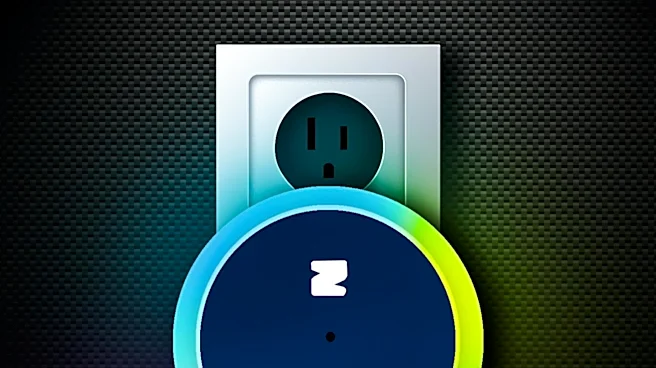
Kasa Smart's mini smart plugs are gaining significant popularity among consumers for their ability to transform standard electrical outlets into automated smart ones. These small, affordable adapters connect to Wi-Fi and allow users to control connected
devices via a smartphone app or voice assistants like Alexa and Google Home. Users can set individual schedules for each plug, enabling automation for various home functions. The plugs offer convenience for tasks such as switching lights, preparing coffee makers, or ensuring appliances are turned off remotely. Reviewers and users praise the ease of setup and the wide range of possibilities these smart plugs open up for home automation. For instance, one user highlighted their use for controlling grow lights for houseplants from anywhere in the world and for easily turning on lamps in hard-to-reach outlets. The product has been recognized as a bestseller and a favorite among tech enthusiasts.
Why It's Important?
The widespread adoption of Kasa Smart mini plugs signifies a growing trend in the U.S. towards accessible and affordable smart home technology. These devices lower the barrier to entry for home automation, allowing more households to experience the benefits of a connected living space without significant investment or complex installations. This trend impacts the consumer electronics market by driving demand for user-friendly smart devices and encouraging further innovation in the sector. For consumers, the plugs offer enhanced convenience, energy savings through scheduled usage, and improved safety by enabling remote control of appliances. The ability to control devices via voice commands or a smartphone app caters to the modern lifestyle, where remote management and integration with existing digital ecosystems are highly valued. This shift also highlights the increasing importance of interoperability between smart home devices and popular voice assistants, shaping future product development and consumer expectations.
What's Next?
The continued success of products like Kasa Smart mini plugs suggests a future where smart home technology becomes even more integrated and ubiquitous in U.S. households. Manufacturers will likely focus on developing more advanced features, such as energy monitoring, enhanced security protocols, and broader compatibility with various smart home ecosystems. We can anticipate an increase in competition within the smart plug market, potentially leading to more innovative designs, lower prices, and specialized functionalities. The emphasis on ease of use and affordability will likely remain a key driver for consumer adoption. Furthermore, the trend towards home automation could extend beyond simple on/off controls to more sophisticated routines and AI-driven predictions based on user habits and environmental factors. Retailers may also expand their offerings of smart home bundles and services, making it easier for consumers to build comprehensive smart home systems.
Beyond the Headlines
The rise of smart plugs and home automation has deeper implications for privacy and cybersecurity. As more devices in a home become connected to the internet, the potential for data collection and cyber vulnerabilities increases. Users must be aware of the security measures in place for these devices and the data they might transmit. There's also a subtle shift in how people interact with their living spaces, moving towards a more 'responsive' home environment that anticipates needs or can be controlled with minimal effort. This could lead to changes in home design, with architects and builders incorporating smart technology from the ground up. On an environmental level, the energy-saving potential of smart plugs, by allowing precise control over appliance usage, could contribute to broader sustainability efforts, though the energy consumption of the devices themselves also needs consideration. The convenience offered by these devices also raises questions about the balance between technological assistance and maintaining a sense of personal control and engagement with one's immediate environment.