







What's Happening?
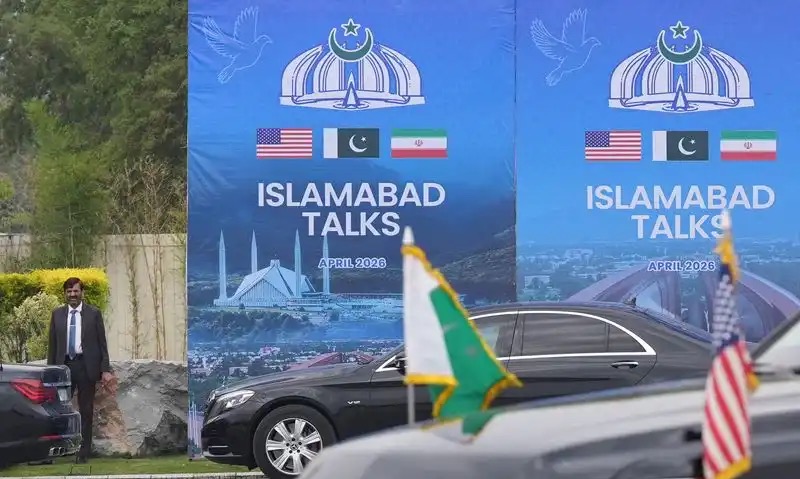
Negotiating teams from the US and Iran are considering returning to Islamabad for further talks after their recent meeting ended without a breakthrough. The discussions, which were the highest-level talks since the 1979 Islamic Revolution, focused on issues
such as the Strait of Hormuz and Iran's nuclear program. US Vice President JD Vance indicated that the lack of Iranian approval to finalize a deal was a major obstacle. Both countries are keeping their schedules open for potential talks this weekend, with Pakistan playing a mediating role. The US demands include taking control of Iran's enriched uranium and ensuring mechanisms to prevent further enrichment.
Why It's Important?
The potential resumption of talks is significant for international diplomacy and regional stability. The negotiations address critical issues such as nuclear non-proliferation and the reopening of the Strait of Hormuz, a vital energy transit route. Successful talks could lead to a reduction in regional tensions and a more stable Middle East, benefiting global energy markets and international security. The involvement of Pakistan as a mediator highlights the complexity of the negotiations and the need for international cooperation to resolve longstanding conflicts.
What's Next?
If talks resume, both the US and Iran will need to demonstrate flexibility and a willingness to compromise. The outcome of these negotiations could influence future US-Iran relations and set a precedent for addressing other regional conflicts. The international community, particularly countries with strategic interests in the Middle East, will be closely monitoring the situation and may need to support or facilitate the negotiation process. The US's strategic positioning and Iran's response will be crucial in determining the success of future talks.