






What's Happening?
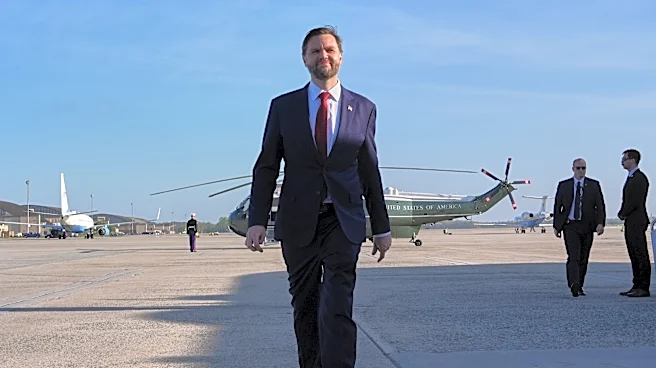
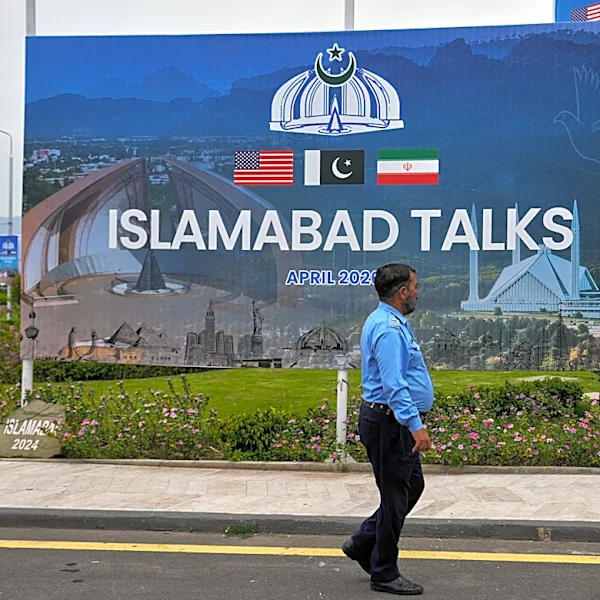
A U.S. delegation led by Vice President JD Vance has arrived in Pakistan to initiate peace talks with Iranian leaders and Pakistani negotiators. The discussions aim to establish a permanent end to the ongoing conflict in Iran. These talks are part of
a concerted effort to address regional instability and foster diplomatic solutions. The involvement of Pakistani negotiators highlights the importance of regional cooperation in achieving peace. The talks are seen as a pivotal moment in U.S.-Iran relations, with the potential to reshape future interactions between the two countries.
Why It's Important?
The initiation of peace talks between the U.S. and Iran is significant for several reasons. It represents a shift towards diplomacy in resolving international conflicts, which could lead to a reduction in military engagements and promote stability in the Middle East. Successful negotiations could have economic implications, particularly in stabilizing oil markets and influencing global energy prices. Additionally, these talks could enhance U.S. diplomatic standing and influence in the region, potentially leading to broader international cooperation on various issues.
What's Next?
The progress of these peace talks will be closely watched by international observers. If successful, they could lead to further diplomatic engagements and agreements, potentially involving other regional powers. The U.S. may consider adjusting its foreign policy and military strategy based on the outcomes of these discussions. The talks could also influence future negotiations on related issues, such as nuclear proliferation and regional security.