



What's Happening?
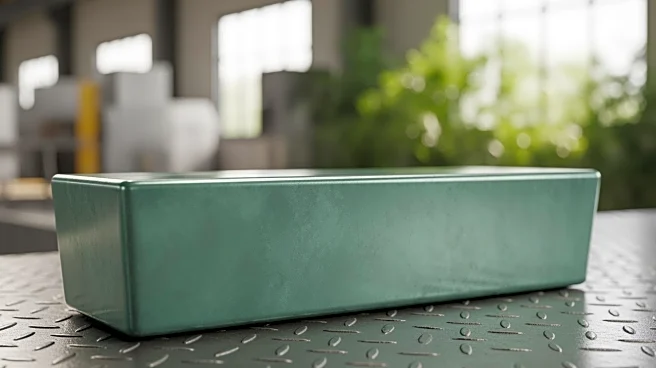
The European Union (EU) is set to prioritize green steel as a key component of its industrial strategy, aiming to boost competitiveness against the U.S. and China. The European Commission plans to certify low-carbon steel and stimulate demand through
government procurement and the automotive sector. The initiative is part of the Industrial Accelerator Act, which will classify steel based on emissions and require that 25% of publicly procured steel be low-carbon. The move is part of a broader effort to address climate change by reducing emissions from steel production, a significant contributor to greenhouse gases.
Why It's Important?
The EU's focus on green steel is a strategic move to revitalize its industrial sector while addressing environmental concerns. By promoting low-carbon steel, the EU aims to reduce its carbon footprint and enhance its global competitiveness. This initiative could lead to significant changes in the steel industry, encouraging innovation and investment in sustainable production methods. It also reflects a shift towards more sustainable industrial practices, which could influence global markets and set new standards for environmental responsibility in manufacturing.
What's Next?
The EU will continue to develop and implement policies to support the transition to green steel, including setting specific emissions thresholds and expanding the initiative to other sectors like aluminum and cement. The success of this strategy will depend on the ability to balance environmental goals with economic growth, as well as the cooperation of member states and industry stakeholders. The EU's efforts could serve as a model for other regions looking to reduce industrial emissions and promote sustainable development.