






What's Happening?
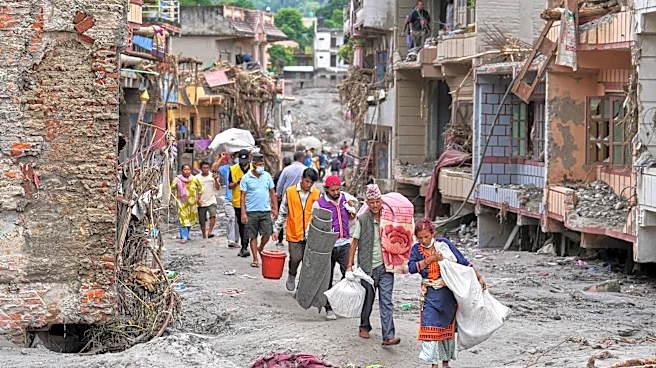
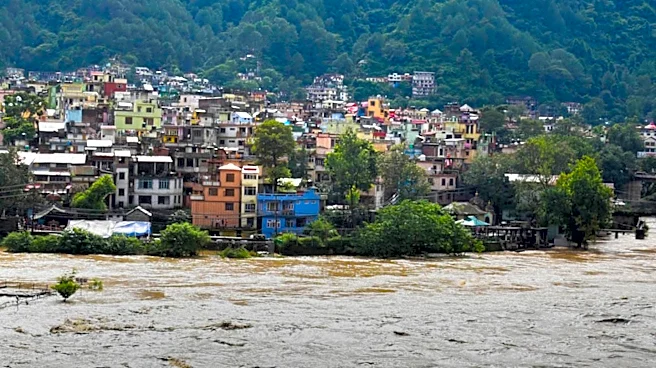
Nepal is exploring the possibility of suing major carbon emitters for the catastrophic floods that occurred in August 2026, which resulted in thousands of deaths. These floods are largely attributed to climate change, marking another severe climate-related
event in South Asia, following the 2022 floods in Pakistan. The debate centers on establishing the flood victims as victims of 'climate wrongs.' This approach draws parallels with climate litigation cases pursued by plaintiffs in various European and U.S. jurisdictions over the past two decades. The legal strategy would involve analyzing the Nepalese situation through the lens of these international climate lawsuits to determine a viable path forward.
Why It's Important?
This development is significant as it could set a precedent for how developing nations, disproportionately affected by climate change, seek redress from industrialized countries or corporations that are major contributors to global emissions. If successful, such a lawsuit could open avenues for other nations facing similar climate-induced disasters to pursue legal action, potentially reshaping international environmental law and accountability. It highlights the growing global recognition of climate change as a matter of justice and liability, moving beyond traditional diplomatic negotiations to direct legal challenges. The outcome could influence policy decisions regarding carbon emissions and financial aid for climate adaptation and mitigation in vulnerable regions.
What's Next?
The immediate next steps involve a thorough analysis of the legal frameworks and precedents from climate litigation in Europe and the U.S. to build a strong case for Nepal. This will likely involve legal experts and environmental advocates collaborating to identify specific carbon emitters and establish a direct link between their emissions and the 2026 floods in Nepal. The process could be lengthy and complex, facing potential challenges from powerful corporations and nations. The international community will closely watch these developments, as a successful legal challenge could inspire similar actions globally and pressure major emitters to accelerate their decarbonization efforts and contribute to climate reparations.
Beyond the Headlines
Beyond the immediate legal implications, this initiative by Nepal underscores a deeper ethical and moral dimension of climate change: who bears responsibility for its devastating impacts, particularly on vulnerable populations. It challenges the traditional notion that climate change is solely a collective problem requiring collective action, instead framing it as a matter of individual and corporate accountability. This could lead to a re-evaluation of corporate social responsibility and the legal obligations of entities contributing to environmental degradation. Furthermore, it highlights the increasing desperation of nations facing existential threats from climate change, pushing them to explore unconventional and assertive measures to protect their citizens and territories.