



What's Happening?
Brillion reports that many U.S. utility energy efficiency programs are behind on their 2026 enrollment goals, often due to a 'completion problem' rather than a 'demand problem.' The cessation of federal tax credits (25C and 25D) for efficiency upgrades
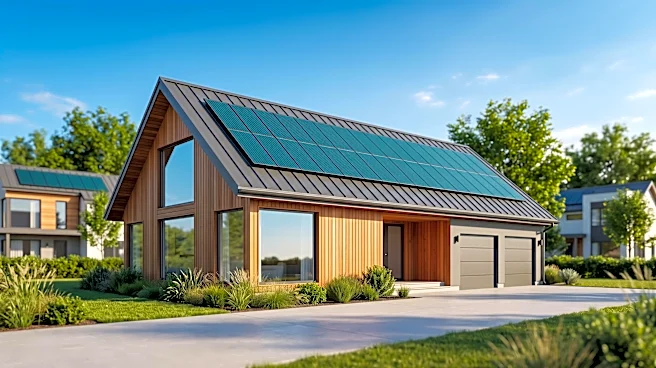
and home solar at the end of 2025 is cited as a contributing factor, removing a key selling point for contractors and utilities. The primary reasons for enrollment gaps include manual program administration, rebate payments getting stuck, and customers abandoning applications partway through due to complex processes. Brillion suggests that utilities can close this gap by targeting customers who have already shown interest, personalizing outreach based on individual home and bill data, and optimizing the timing of promotions to coincide with periods of high energy consumption. Additionally, simplifying application processes, automating follow-ups for missing documents, and tracking enrollment weekly by program and channel are crucial steps.
Why It's Important?
This issue is important for the U.S. energy sector and consumers because energy efficiency is considered a 'cheap resource' by regulators, costing utilities an average of 2.5 cents per kilowatt-hour saved. Missed participation targets mean that utilities are not fully leveraging this cost-effective resource, potentially leading to higher energy costs for consumers and increased strain on the grid. The strategies outlined by Brillion can help utilities meet regulatory goals, reduce operational costs, and enhance customer engagement. By improving program participation, utilities can contribute to national energy conservation efforts, reduce carbon emissions, and foster a more sustainable energy infrastructure. The focus on personalized digital experiences and streamlined processes also reflects a broader trend towards customer-centric approaches in the utility industry.
What's Next?
U.S. utilities are encouraged to prioritize strategies that address the 'completion problem' in their energy efficiency programs. This includes focusing on customers with incomplete applications or those who have completed assessments but not yet applied. Implementing personalized outreach, such as emails tailored to a customer's home and bill, and timing promotions with high energy usage periods (e.g., during cold weather or when bills arrive) are key. Utilities should also simplify application forms by autopopulating known information, offering simple prescriptive options, allowing customers to save and return to applications, and reducing required fields. Automating document follow-ups and tracking enrollment data weekly will further enhance efficiency. Brillion's solutions, including Brillion Engage, Educate, and Fulfill, aim to assist utilities in these efforts, helping them to find eligible customers, educate them, and streamline the application-to-payout process.
Beyond the Headlines
The challenges faced by U.S. utility energy efficiency programs highlight the complex interplay between policy, technology, and consumer behavior. The expiration of federal incentives underscores the need for utilities to develop robust, self-sustaining program designs that do not solely rely on external financial motivators. The emphasis on digital experiences and data analytics for personalized outreach signifies a shift towards more sophisticated customer engagement models, moving beyond generic mass communications. This evolution is critical for utilities to remain relevant and effective in a rapidly changing energy landscape. Furthermore, the focus on reducing administrative burdens and simplifying processes reflects a broader recognition that user experience is paramount for driving participation in voluntary programs, ultimately contributing to national energy security and environmental goals.