

What's Happening?
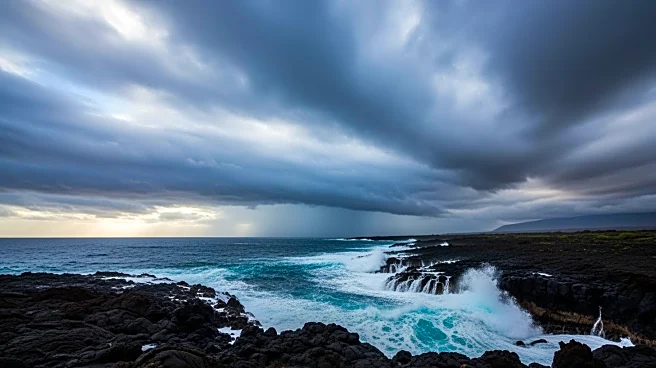
Hawaii is experiencing severe weather conditions due to a 'kona storm', a subtropical cyclone that has brought heavy rains and strong winds to the islands. The storm, which occurred from March 13-16, resulted in up to four feet of rain on Maui and hurricane-speed
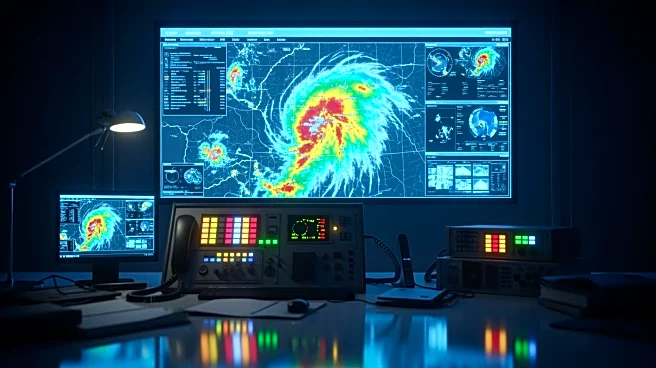
gusts that caused significant damage, including downed power lines and widespread power outages. As of March 18, thousands of residents across the archipelago were still without electricity. The National Weather Service in Honolulu has forecasted another round of rain and potential flooding, particularly affecting Oahu, Maui, and the Big Island. This weather pattern is expected to persist through the weekend.
Why It's Important?
The ongoing 'kona storm' highlights the vulnerability of Hawaii to extreme weather events, which can have significant impacts on infrastructure, public safety, and the local economy. The damage to power lines and the resulting outages underscore the challenges in maintaining essential services during such events. Additionally, the storm's impact on transportation and daily life can disrupt tourism, a critical component of Hawaii's economy. Understanding and preparing for these weather patterns is crucial for mitigating future risks and ensuring the resilience of the islands' communities.
What's Next?
Efforts are underway to restore power and assess the full extent of the damage caused by the storm. The National Weather Service will continue to monitor the situation and provide updates on weather conditions. Residents are advised to stay informed and take necessary precautions to ensure their safety. The state may also consider reviewing and enhancing its disaster preparedness and response strategies to better handle similar events in the future.