







What's Happening?
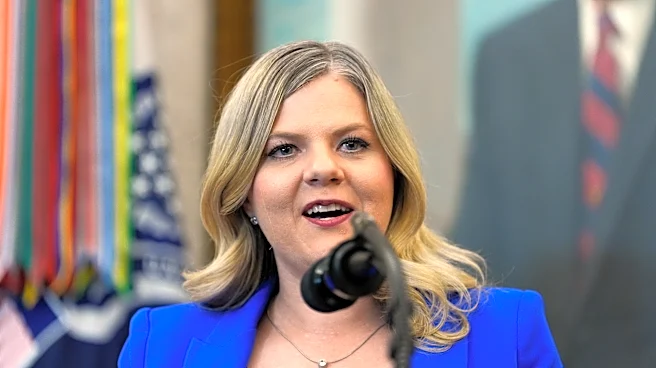
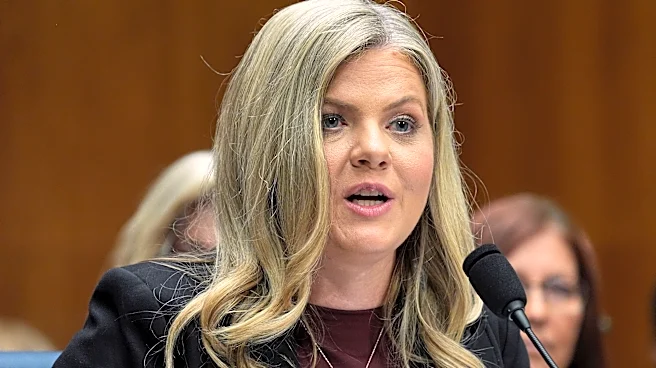
During a Senate committee confirmation hearing, Senator Maggie Hassan, a Democrat from New Hampshire, questioned Dr. Heidi Overton, President Trump's nominee for Food and Drug Administration (FDA) commissioner, regarding the President's claims about a link
between acetaminophen use during pregnancy and autism. Senator Hassan specifically asked Dr. Overton if she believed Tylenol causes autism. Dr. Overton responded that she had not seen any causal evidence to support such a link and noted that the Tylenol label recommends pregnant women consult their doctors. When pressed on whether President Trump was incorrect in his assertions, Dr. Overton declined to answer directly. This line of questioning followed concerns raised by other senators, including Senator Bill Cassidy, R-La., and Senator Bernie Sanders, I-Vt., about Dr. Overton's scientific judgment and her willingness to challenge the President on policy decisions, particularly concerning vaccine schedules and the abortion drug mifepristone. Dr. Overton has served as President Trump's deputy assistant for domestic policy and was nominated in August.
Why It's Important?
This exchange is important because it highlights the tension between scientific consensus and political rhetoric, particularly concerning public health issues. The FDA commissioner plays a critical role in ensuring the safety and efficacy of drugs and medical products in the U.S., and their scientific integrity is paramount. President Trump's repeated claims about acetaminophen and autism, which lack scientific backing from major medical groups like the American College of Obstetrics and Gynecology (ACOG) and the American Academy of Pediatrics (AAP), could lead to public confusion and potentially deter pregnant women from using a recommended painkiller, risking complications from untreated fever. Dr. Overton's reluctance to directly contradict President Trump on a scientifically unfounded claim raises questions about her independence and commitment to evidence-based decision-making, which could undermine public trust in the FDA if she is confirmed. The implications extend to the broader scientific community and public health messaging, where clear, accurate information is crucial for informed health choices.
What's Next?
The Senate Health, Education, Labor, and Pensions (HELP) committee will continue its review of Dr. Heidi Overton's nomination for FDA commissioner. Following the confirmation hearing, the committee will vote on whether to recommend her nomination to the full Senate. If approved by the committee, her nomination will then proceed to a vote by the entire Senate. The outcome of this vote will determine if Dr. Overton becomes the next FDA commissioner. Stakeholders, including medical organizations, public health advocates, and pharmaceutical companies, will closely monitor the confirmation process and Dr. Overton's future statements and actions if confirmed. Her responses during the hearing suggest that if confirmed, she may face ongoing scrutiny regarding her adherence to scientific evidence and her independence from political influence, particularly concerning issues where presidential statements diverge from established scientific understanding.
Beyond the Headlines
The confirmation hearing for Dr. Heidi Overton delves into deeper implications concerning the politicization of science and the independence of regulatory bodies. The questioning of Dr. Overton's scientific judgment and her perceived loyalty to President Trump highlights a growing concern about the erosion of trust in scientific institutions. When political figures make claims that contradict established scientific consensus, and nominees for critical scientific roles appear hesitant to challenge those claims, it can have long-term consequences for public health and policy. This situation underscores the ethical dilemma faced by individuals appointed to lead scientific agencies: balancing loyalty to an administration with the imperative to uphold scientific integrity and public trust. The broader societal impact could include increased vaccine hesitancy, distrust in medical advice, and a weakening of the FDA's authority as a science-driven regulatory body, potentially affecting public health outcomes for years to come.