
What's Happening?
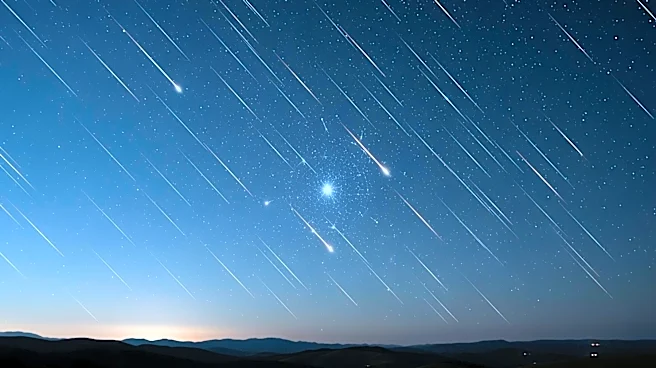
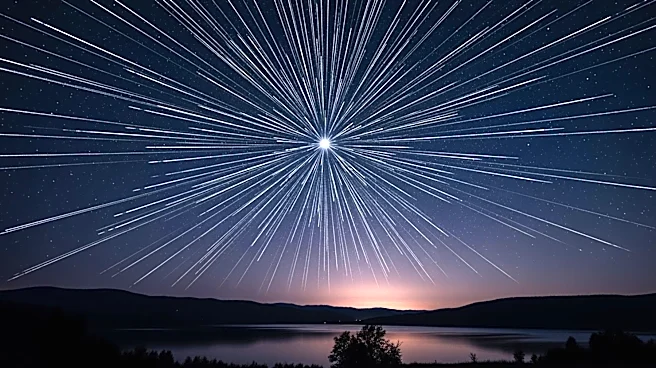
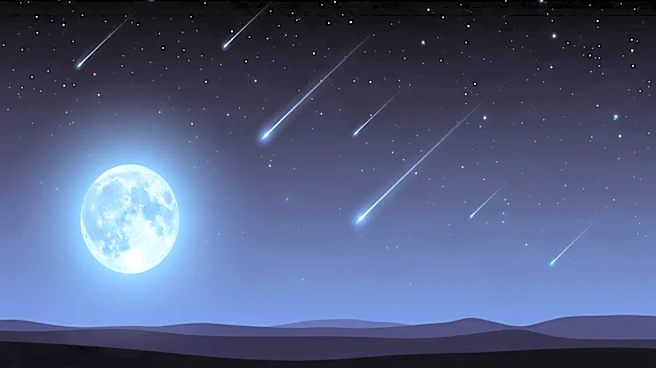
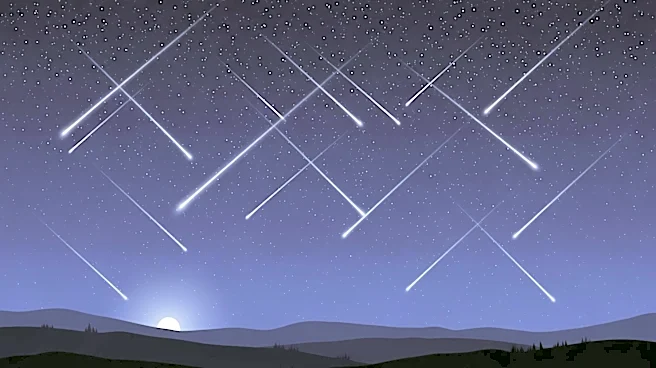
The Eta Aquariid meteor shower, associated with Halley's Comet, is set to peak between May 5 and 6, providing a celestial spectacle for skywatchers. This meteor shower is known for its fast streaks and glowing
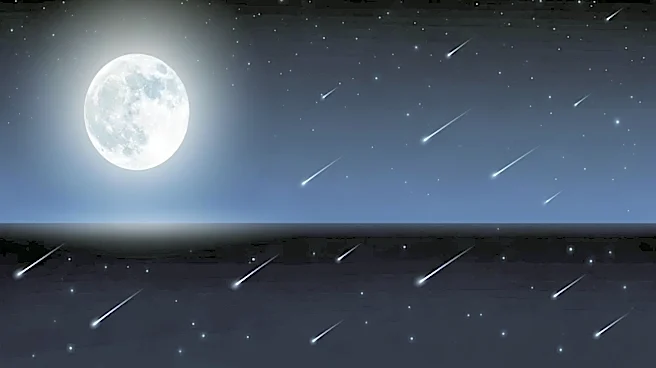
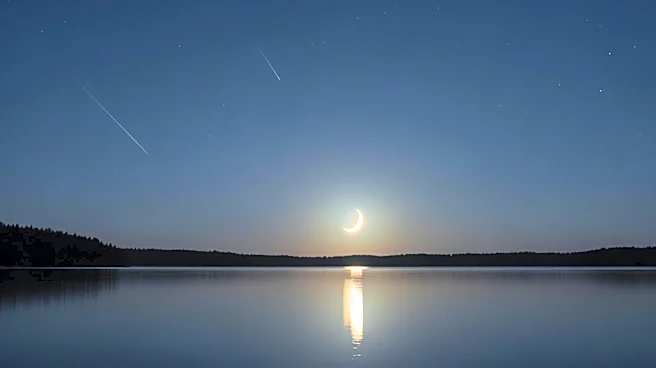
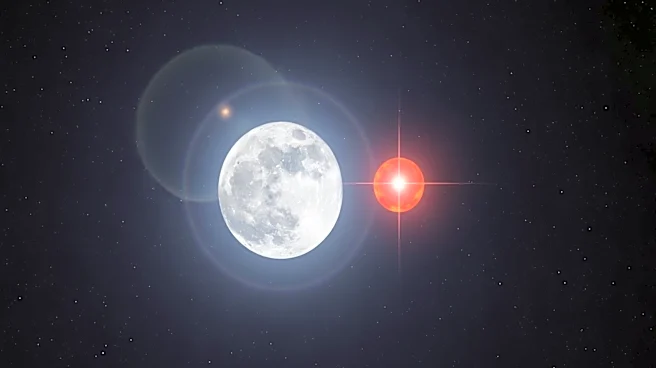
trails, as debris from Halley's Comet enters Earth's atmosphere at over 40 miles per second. While the Southern Hemisphere may witness up to 50 meteors per hour, the Northern Hemisphere can expect between 10 and 30 meteors per hour. However, the waning gibbous moon, at 84% full, may reduce visibility to fewer than 10 meteors per hour. The best viewing conditions are during the pre-dawn hours, with recommendations to avoid looking directly at the moon and to allow eyes to adjust to the darkness.
Why It's Important?
Meteor showers like the Eta Aquariid offer a unique opportunity for public engagement with astronomy and space science. They serve as a reminder of the dynamic nature of our solar system and the historical significance of comets like Halley's, which have been observed for over 2,000 years. Such events can inspire interest in space exploration and science education, potentially influencing future generations of scientists and astronomers. Additionally, these celestial events provide a shared experience that can unite communities in appreciation of the natural world.
What's Next?
The Eta Aquariid meteor shower will continue to be visible until May 28, offering multiple opportunities for observation. Skywatchers are advised to monitor weather conditions and seek clear skies for optimal viewing. As the shower progresses, enthusiasts may continue to share observations and photographs, contributing to a broader understanding of meteor activity. This event also sets the stage for future celestial events, encouraging ongoing public interest in astronomy.