



What's Happening?
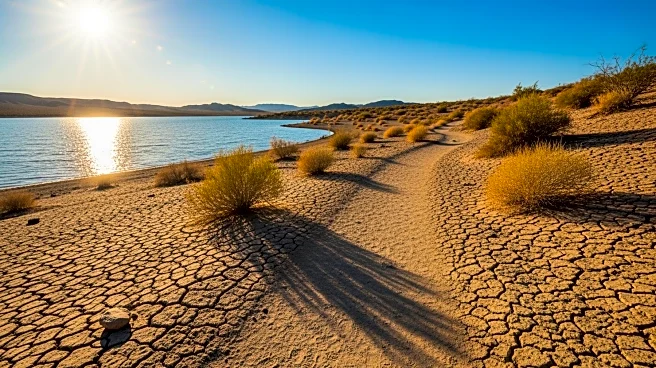
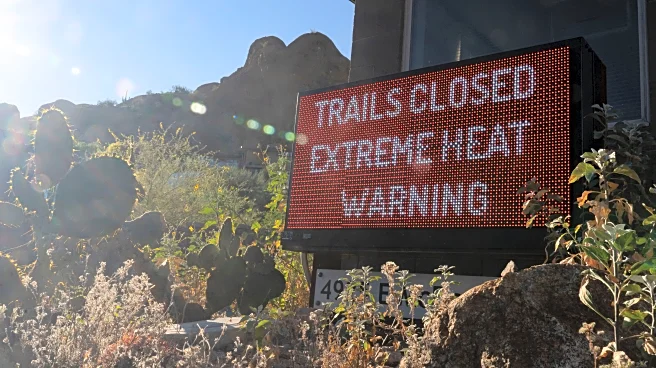
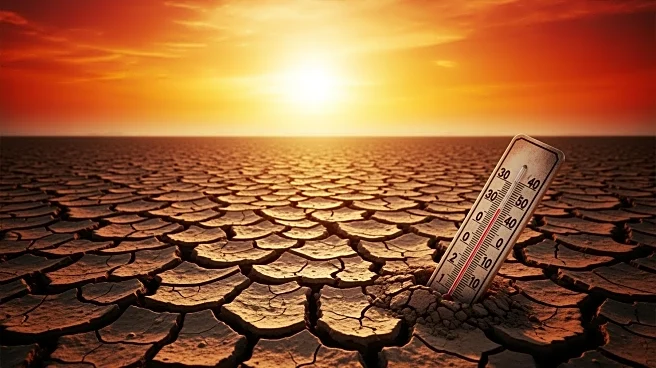
A significant heat wave is currently affecting the United States, particularly in the Western regions, breaking previous March temperature records by substantial margins. States like California and Arizona have experienced daily highs exceeding 100 degrees
Fahrenheit, which is notably higher than the typical March temperatures. This unusual heat is attributed to climate change, as stated by international climate scientists from World Weather Attribution. The burning of fossil fuels releases greenhouse gases, contributing to the planet's warming. The National Weather Service forecasts that the heat will persist, with Southern California expected to see temperatures rise even further. The heat wave is not limited to these states, as approximately 400 weather stations across the U.S. may tie or break March heat records.
Why It's Important?
The extreme heat wave has significant implications for the U.S., particularly in terms of public health, agriculture, and energy consumption. High temperatures can lead to increased health risks, such as heat exhaustion and heat stroke, especially in areas unaccustomed to such conditions. The agricultural sector may face challenges due to the heat's impact on crop yields and livestock. Additionally, energy demand is likely to surge as people rely more on air conditioning, potentially straining power grids. The persistent heat underscores the urgent need for climate action to mitigate future extreme weather events and their associated impacts.
What's Next?
The National Weather Service predicts that the heat will continue into April, May, and June, with temperatures expected to remain above normal in most parts of the country. Southwestern states like Arizona, Nevada, Utah, and New Mexico are likely to experience even hotter conditions than usual. This prolonged heat could lead to further record-breaking temperatures and exacerbate drought conditions in affected areas. Stakeholders, including government agencies and environmental groups, may push for more aggressive climate policies to address the root causes of such extreme weather patterns.
Beyond the Headlines
The ongoing heat wave highlights the broader issue of climate change and its impact on weather patterns. It raises ethical questions about the responsibility of industries and governments to reduce greenhouse gas emissions and invest in sustainable practices. The event may also influence public opinion and policy discussions regarding climate change, potentially leading to increased support for environmental initiatives. Long-term shifts in climate could alter ecosystems, water resources, and economic activities, necessitating adaptive strategies to cope with these changes.