


What's Happening?
A recent study conducted by researchers, including Kyle Manley from the University of Colorado Boulder, has examined the effects of wildfires on outdoor recreation in the Mountain West, including Wyoming. The study utilized data from social media, citizen
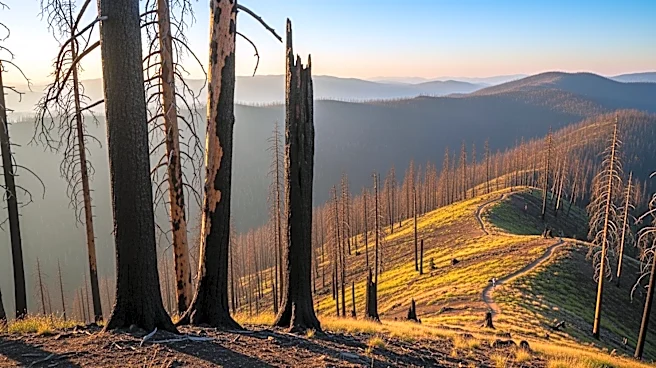
science apps, and cell phone records to model visitation patterns at 239 sites in California and Colorado that experienced wildfires between 2020 and 2024. The findings indicate a significant decline in visitation, particularly after large, high-intensity fires, with some areas seeing a 20% drop in visitors. In contrast, prescribed burns, which are intentionally set for landscape health, did not deter visitors and sometimes even increased visitation due to improved wildlife visibility.
Why It's Important?
The study's findings are crucial for land managers and policymakers in the Mountain West, including Wyoming, as they highlight the long-term impact of wildfires on tourism and local economies dependent on outdoor recreation. Understanding these patterns can help in planning and implementing strategies to mitigate the negative effects of wildfires on recreation. The research also underscores the potential benefits of prescribed burns, which could be leveraged to maintain or even boost visitation in affected areas. This information is vital for balancing ecological health with economic interests in regions prone to wildfires.
What's Next?
As the study has not yet been peer-reviewed, further validation of the findings is necessary. Land managers may consider integrating these insights into their fire management and recovery strategies. Additionally, there could be increased advocacy for prescribed burns as a tool to manage landscapes and support wildlife, potentially leading to policy changes. Stakeholders, including local governments and tourism boards, might explore ways to promote areas post-prescribed burns to attract visitors.
Beyond the Headlines
The research highlights a cultural shift in how people perceive and interact with natural landscapes post-wildfire. The description of severely burned areas as 'alien landscapes' suggests a need for public education on the ecological role of fire and the benefits of prescribed burns. This could foster a more informed and resilient outdoor recreation community, better prepared to adapt to the changing landscape of the Mountain West.