




What's Happening?
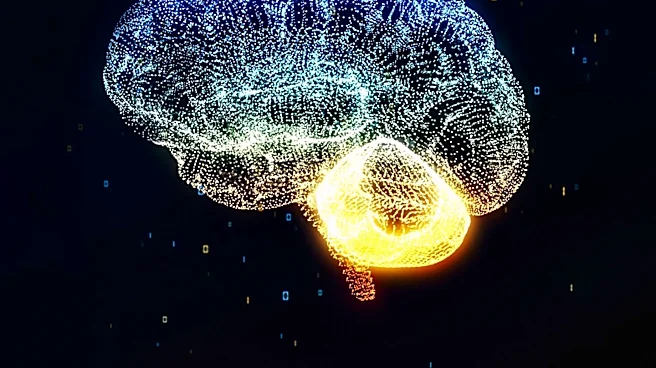
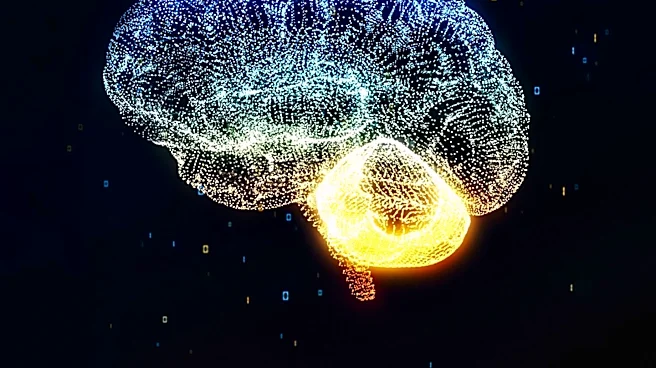
New scientific research is shedding light on the physiological processes within the brain when individuals experience gratitude. Studies, including those utilizing functional magnetic resonance imaging (fMRI) while participants reflected on scenarios
of aid and sacrifice, indicate that grateful feelings activate specific regions in the medial pre-frontal cortex. This area of the brain is linked to understanding others' perspectives, empathy, and feelings of relief. Furthermore, these regions are extensively connected to systems in the body and brain that regulate emotion and support stress relief. The research aims to understand how gratitude contributes to mental and physical well-being, building upon existing philosophical and religious acknowledgments of its importance. By examining brain activity during moments of gratitude, scientists hope to pinpoint strategies for harnessing its health benefits and designing programs to cultivate this emotion effectively. The findings suggest a direct link between gratitude and neural networks involved in social bonding and stress reduction.
Why It's Important?
Understanding the neurobiology of gratitude is crucial for developing targeted interventions to improve mental and physical health. The activation of brain regions associated with empathy, stress relief, and social bonding during grateful states suggests that gratitude is not merely a psychological state but has tangible physiological underpinnings. This insight can inform healthcare practices, potentially leading to new therapeutic approaches for conditions exacerbated by stress or social isolation. For individuals, recognizing the brain's response to gratitude can encourage its practice, fostering improved emotional regulation and overall well-being. The connection to the brain's 'mu opioid' networks, activated during interpersonal touch and pain relief, highlights a deeper evolutionary significance, suggesting gratitude plays a role in social cohesion and mutual support. This research provides a scientific basis for the long-observed benefits of gratitude, making it a more credible and actionable concept in health and wellness.
What's Next?
Future research will likely focus on further elucidating the precise mechanisms through which gratitude influences bodily functions and long-term health outcomes. Scientists may explore how consistent gratitude practices can induce structural changes in the brain, particularly in individuals with conditions like depression, as suggested by preliminary findings. This could lead to the development of evidence-based gratitude interventions that are integrated into clinical psychology and public health programs. Additionally, investigations into individual differences in gratitude responses and how these relate to resilience and coping mechanisms could provide personalized strategies for fostering gratitude. The ongoing exploration of gratitude's neurobiological basis promises to unlock more effective ways to leverage this powerful emotion for widespread health improvement and enhanced social well-being.
Beyond the Headlines
The exploration of gratitude's impact on the brain extends beyond immediate health benefits, touching upon broader societal implications. By demonstrating a neurological basis for empathy and social bonding through gratitude, this research reinforces the importance of prosocial behaviors in human well-being. It suggests that cultivating gratitude could be a fundamental tool for strengthening community ties and fostering a more compassionate society. Ethically, understanding how gratitude can 'rewire' the brain raises questions about intentional emotional cultivation and its role in personal development and mental resilience. Legally, while not directly applicable, the findings could indirectly influence policies related to mental health support and community building, emphasizing the value of emotional intelligence and positive psychology. Culturally, this scientific validation of gratitude may encourage a greater societal emphasis on appreciation and interconnectedness, potentially shifting norms towards more supportive and empathetic interactions.