





What's Happening?
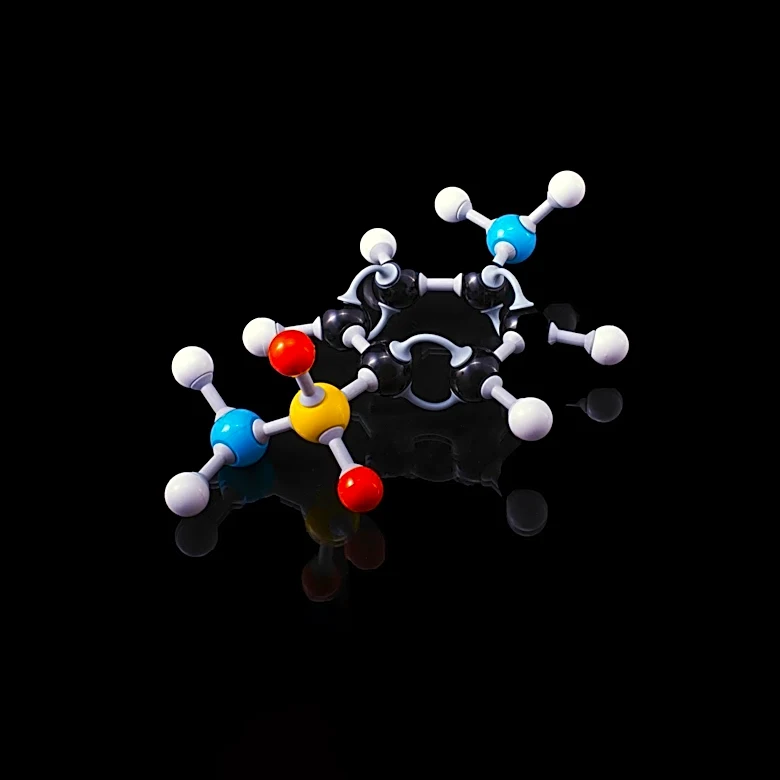
Researchers from the University of Strathclyde and Durham University have developed a proposed light-based test to detect 'mirror life,' hypothetical organisms built from molecules that are reversed versions of those found in all known life forms. While
mirror bacteria do not currently exist and their emergence is considered unlikely, scientists are preparing for a potential future scenario. The proposed test utilizes circularly polarized luminescence (CPL) with fluorescent probes that bind to cellular structures, emitting light that twists differently based on the 'handedness' of the molecules. This method aims to identify mirror-image organisms in environmental samples like soil and water. The concern stems from a 2024 warning by 38 scientists from nine countries, who published a policy forum in Science, highlighting the potential risks of mirror bacteria. These risks include evading immune defenses of people, animals, and plants, and spreading as invasive species through ecosystems due to their molecular mismatch with natural decomposers and immune systems.
Why It's Important?
The development of a detection method for hypothetical mirror bacteria underscores a proactive approach to biosecurity and ecological protection. If mirror bacteria were ever created and released, their unique molecular structure could allow them to bypass existing immune systems and natural decomposition processes, posing a significant threat to global ecosystems. This could lead to widespread invasive species scenarios, disrupting food chains, agricultural systems, and human health. The scientific community's preemptive action reflects a growing awareness of the potential unintended consequences of advanced synthetic biology. The debate among scientists regarding the level of concern—some viewing it as speculative given the early stage of research—highlights the complex ethical and practical considerations involved in cutting-edge biological research and the need for robust regulatory frameworks.
What's Next?
The proposed CPL detection assay has not yet been experimentally tested in its complete form, and further research is required to validate its reliability in real biological samples. Scientists will need to refine and validate the fluorescent probes and ensure the method can accurately distinguish molecular handedness. Concurrently, scientific bodies and policymakers are expected to continue discussions on whether and how to regulate or restrict research that could lead to the creation of mirror organisms. The U.K. Government Office for Science and the U.N. Secretary-General's Scientific Advisory Board have already shown interest in this issue, indicating potential future policy guidance. The focus remains on preparing for a low-probability, high-impact event, rather than responding to an immediate threat, with no current public health guidance changes.
Beyond the Headlines
The concept of mirror bacteria raises profound ethical and philosophical questions about the boundaries of synthetic biology and humanity's role in shaping life. The 'chirality' of molecules, where life predominantly uses one 'handedness' for its building blocks, is a fundamental aspect of biology. Creating organisms with reversed chirality challenges this natural order and highlights the potential for unforeseen consequences when manipulating life at its most basic level. The discussion also touches upon the 'precautionary principle' in science, advocating for caution when there is a risk of severe harm, even if scientific understanding is incomplete. This scenario emphasizes the need for interdisciplinary collaboration among chemists, biologists, ecologists, and policymakers to navigate the complex implications of emerging biotechnologies and ensure responsible scientific advancement.