



What's Happening?
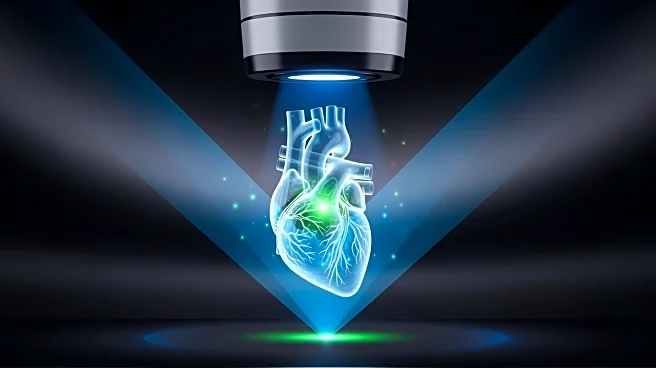
Recent advancements in imaging technology are revolutionizing the treatment of coronary artery disease by allowing doctors to capture detailed images inside heart arteries. These images help monitor how plaques respond to cholesterol-lowering drugs, specifically
PCSK9 inhibitors, which have been shown to reduce plaque size and stabilize them within a year of treatment. International trials have combined data from major hospitals in Europe and North America, using invasive imaging techniques like intravascular ultrasound and optical coherence tomography to observe changes in plaque composition and structure. These tools provide a comprehensive view of plaque characteristics, aiding in the assessment of treatment efficacy.
Why It's Important?
The ability to visualize plaque changes directly impacts the management of heart disease, offering insights into the effectiveness of cholesterol-lowering therapies beyond traditional blood tests. This approach allows for more personalized treatment plans, potentially improving outcomes for patients at high risk of cardiovascular events. By understanding the physical changes in plaque, healthcare providers can better predict and prevent heart attacks and strokes. The integration of imaging data into treatment decisions could lead to more precise use of PCSK9 inhibitors, which are costly but effective for patients who do not respond adequately to statins.