





What's Happening?
Transportation Secretary Sean Duffy has announced significant progress in a multibillion-dollar effort to modernize the U.S. air traffic control system. During a summit at the Department of Transportation headquarters in Washington, D.C., Duffy highlighted
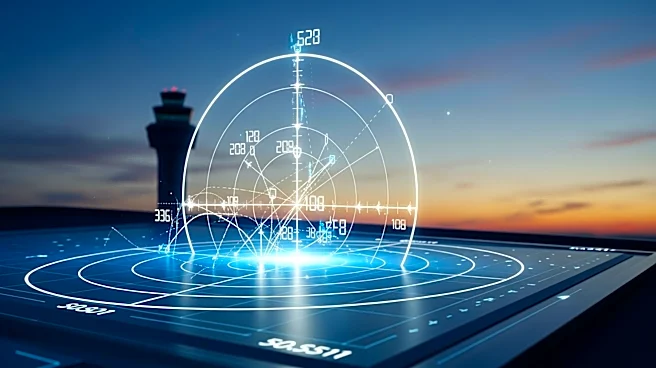
the replacement of outdated telecommunications equipment, such as radios and phones, with new models. Additionally, paper flight strips used by air traffic controllers are being replaced with electronic versions accessible on a single computer screen. Nearly 50% of the old copper wires have been upgraded to high-speed fiber optic cables. This modernization is part of a $12.5 billion initiative funded by President Trump's One Big Beautiful Bill, aiming for completion by 2028. The effort follows past attempts to update the system, notably after the September 11, 2001, attacks, but many facilities still rely on outdated technology. The initiative gained momentum after a mid-air collision in January 2025 highlighted the need for improved systems.
Why It's Important?
The modernization of the air traffic control system is crucial for enhancing the safety and efficiency of air travel in the United States. The current system, described as being held together with 'shoe string and duct tape,' poses risks due to its outdated technology. The upgrades are expected to improve communication between air traffic controllers and pilots, reduce the risk of accidents, and enhance the overall efficiency of air travel. This initiative is significant for the aviation industry, which relies on safe and efficient air traffic management to maintain operations. The modernization effort also represents a substantial investment in infrastructure, potentially creating jobs and stimulating economic activity. Furthermore, it underscores the importance of government intervention in addressing critical safety and technological challenges.
What's Next?
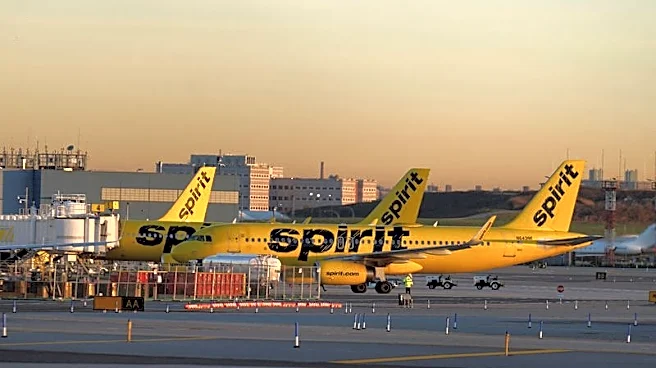
The Department of Transportation will continue to implement the modernization plan, with a target completion date of 2028. Congress's involvement will be necessary to secure additional funding for further software upgrades. The Federal Aviation Administration (FAA) is expected to play a key role in overseeing the implementation of new technologies and ensuring that the transition to modern systems is smooth. The aviation industry and other stakeholders will likely monitor the progress closely, as the success of this initiative could set a precedent for future infrastructure projects. Additionally, the FAA is expected to release a report on a recent fatal crash at LaGuardia Airport, which may influence future safety protocols and modernization efforts.
Beyond the Headlines
The modernization of the air traffic control system has broader implications for the U.S. transportation infrastructure. It highlights the challenges of maintaining and upgrading critical systems that have been neglected for decades. The initiative also raises questions about the role of technology in ensuring public safety and the need for continuous investment in infrastructure. As the aviation industry evolves, the integration of advanced technologies will be essential to meet increasing demands and address emerging challenges. This effort may also prompt discussions about the balance between public and private sector roles in infrastructure development and the importance of long-term planning in government projects.