





What's Happening?
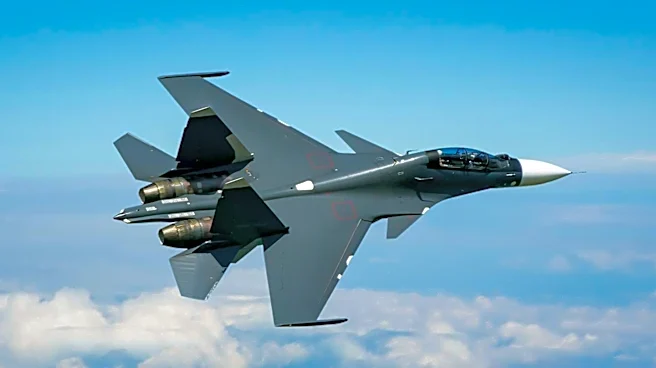
The United Kingdom, Japan, and Italy have joined forces to develop a sixth-generation fighter jet under the Global Combat Air Programme (GCAP). This collaboration aims to replace the Eurofighter Typhoon fleets with advanced aircraft capable of participating
in NATO missions and protecting national borders. The project, known as Tempest in the UK, is set to enter service by 2035. The initiative follows the collapse of the Future Combat Air System (FCAS) project and highlights the importance of sovereign capability in defense. The GCAP aircraft will feature advanced sensors, stealth technology, and the ability to control drone aircraft, marking a significant leap in combat aviation technology.
Why It's Important?
The development of the Tempest fighter jet represents a strategic shift in defense collaboration, emphasizing the need for advanced air capabilities amid global geopolitical tensions. This project not only strengthens the defense ties between the UK, Japan, and Italy but also reduces reliance on American military hardware. The initiative underscores the importance of maintaining technological superiority in military aviation, as nations seek to protect their airspace against increasingly sophisticated threats. The success of this collaboration could set a precedent for future multinational defense projects, promoting innovation and shared expertise.
What's Next?
As the GCAP project progresses, the partner nations will focus on integrating advanced technologies, such as artificial intelligence and data fusion, into the aircraft. The development phase will involve rigorous testing and refinement to ensure the jet meets operational requirements. The collaboration may also lead to further defense partnerships, as other countries express interest in joining the program. The successful deployment of the Tempest jet will be a critical milestone in enhancing the air defense capabilities of the participating nations.