





What's Happening?
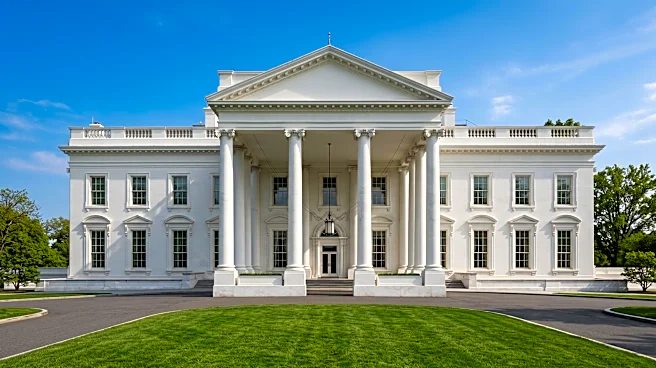
The United States has announced a ban on imports of Canadian dairy products, most alcoholic beverages, and motorcycles, effective in three weeks. This directive from the White House follows Canada's implementation of retaliatory tariffs on $20 billion
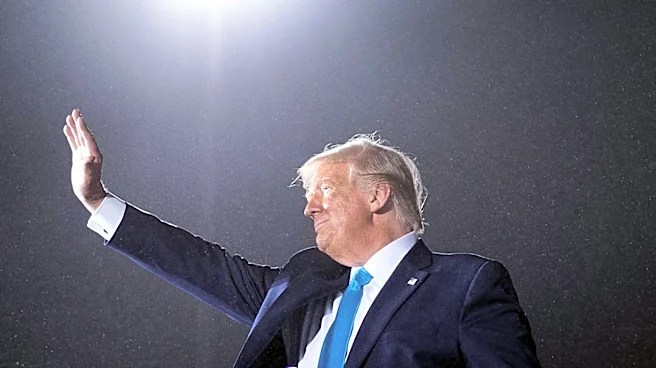
worth of U.S. imports. Concurrently, President Trump has ordered the General Services Administration (GSA) to exclude Canadian goods from major long-term federal procurement contracts. This exclusion will remain in effect until Canada grants full and fair reciprocity to American merchandise. The U.S. actions are a response to provincial bans on American alcoholic beverages enacted by certain Canadian regions. Despite the breakdown of formal trade talks on August 21 and Washington's aggressive economic policies, Canadian officials, including Prime Minister Mark Carney, have stated that Ottawa will not alter its course. Public sentiment in Canada has led to widespread boycotts of U.S. goods and reduced travel to the U.S., which Prime Minister Carney has lauded as demonstrations of national unity.
Why It's Important?
This escalating trade dispute significantly strains relations between the U.S. and Canada, two long-standing allies. The U.S. import bans and the exclusion of Canadian goods from federal procurement contracts will directly impact Canadian industries, particularly dairy, alcoholic beverages, and motorcycle manufacturers, potentially leading to job losses and economic contraction in those sectors. For U.S. consumers, these bans could result in reduced product availability and potentially higher prices for certain goods. Conversely, U.S. producers in these sectors might see increased domestic demand, though they could also face retaliatory measures from Canada. Canada's existing countermeasures, which include tariffs of 15%, 25%, or 50% on hundreds of U.S. products such as steel, aluminum, cheese, appliances, clothing, cosmetics, and farm equipment, already affect approximately 6% of the $333.6 billion in goods the U.S. exported to Canada last year. This tit-for-tat tariff and ban strategy creates instability for businesses on both sides of the border, forcing them to seek alternative markets and supply chains.
What's Next?
The import bans are set to take effect in three weeks, which will likely intensify the trade conflict. Canadian officials have indicated they will not back down, suggesting further retaliatory measures could be on the horizon. The U.S. directive to the GSA to exclude Canadian products from federal contracts will immediately impact Canadian businesses seeking to engage with the U.S. government. The ongoing public boycotts of U.S. goods in Canada are expected to continue, further affecting American businesses that rely on the Canadian market. Both nations will likely continue to explore alternative trade partners and strategies to mitigate the economic fallout. The situation could also prompt calls for renewed diplomatic efforts to de-escalate the trade war, though formal trade talks previously broke down. The long-term implications for the North American Free Trade Agreement (NAFTA) or any successor agreements remain uncertain as tensions rise.
Beyond the Headlines
Beyond the immediate economic impact, this trade war highlights a significant shift in the U.S.-Canada relationship, moving away from decades of close economic integration. The rhetoric surrounding Canadian sovereignty and the aggressive economic policies from Washington could foster long-term resentment and distrust between the two nations. The emphasis by Prime Minister Carney on national self-reliance and diversifying trade signals a potential reorientation of Canada's economic strategy, which could have lasting geopolitical consequences. This dispute also raises questions about the future of global trade, as protectionist measures become more prevalent. The use of federal procurement contracts as a tool in trade disputes sets a precedent that could be adopted by other nations, further fragmenting international trade relations. The public's role in boycotts demonstrates the power of consumer sentiment in international relations, adding another layer of complexity to trade negotiations.