







What's Happening?
Maryland has introduced a new option for post-mortem arrangements with the opening of the nation's largest human composting facility in Elkridge. Operated by Earth Funeral, the 37,000-square-foot facility offers a process known as natural organic reduction.
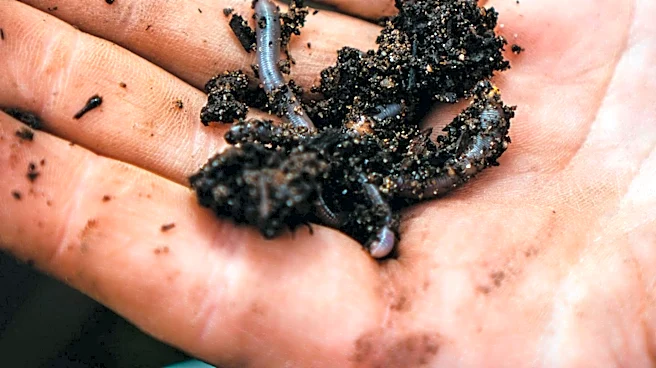
This method accelerates the natural decomposition of a body in a controlled environment, ultimately producing soil-like material. The process involves placing the body in specially designed vessels where bacteria, fungi, and organic materials like mulch aid in decomposition over about a month. The resulting 300 pounds of soil can be returned to families or used in land-conservation projects. This facility is part of a growing trend in the U.S. to provide environmentally friendly alternatives to traditional burial and cremation, which have significant environmental impacts.
Why It's Important?
The introduction of human composting in Maryland reflects a shift in societal attitudes towards death and environmental responsibility. Traditional burial practices require land and often involve chemicals, while cremation emits greenhouse gases. Human composting offers a sustainable alternative, reducing the ecological footprint of end-of-life arrangements. This development is significant as it provides residents with more choices and aligns with a broader movement towards eco-friendly practices. It also highlights the growing acceptance of alternative funeral practices in the U.S., with Maryland joining a handful of states that have legalized this method.
What's Next?
As human composting becomes more widely available, it may prompt further legislative changes across the U.S. to accommodate this practice. The facility in Maryland could serve as a model for other states considering similar options. Additionally, as public awareness and acceptance grow, more facilities may open, increasing accessibility and potentially driving down costs. The environmental benefits could also encourage more people to choose this option, influencing the funeral industry to adapt to changing consumer preferences.