


What's Happening?
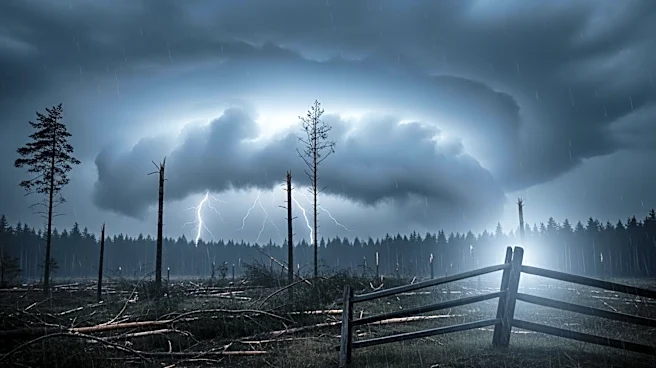
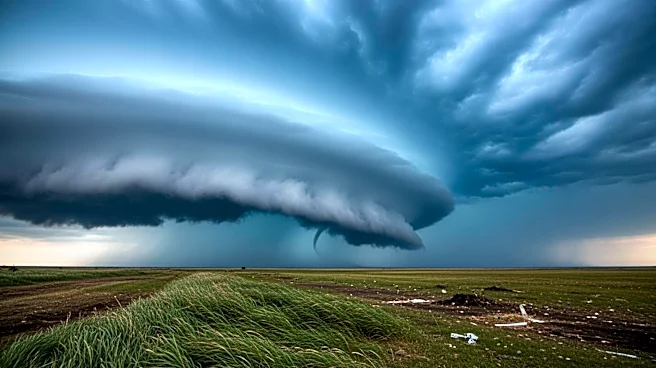
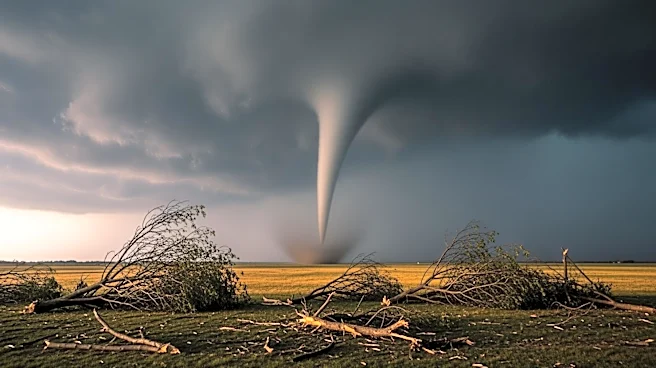
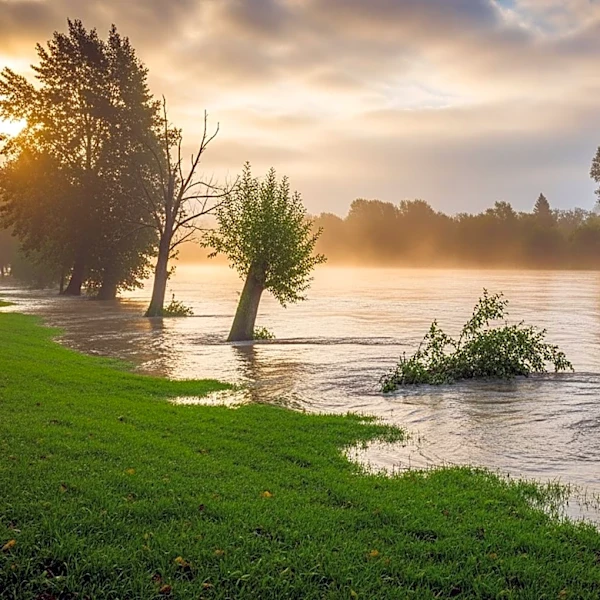
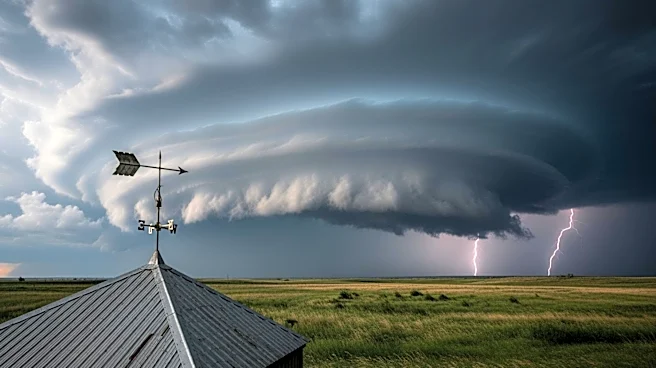
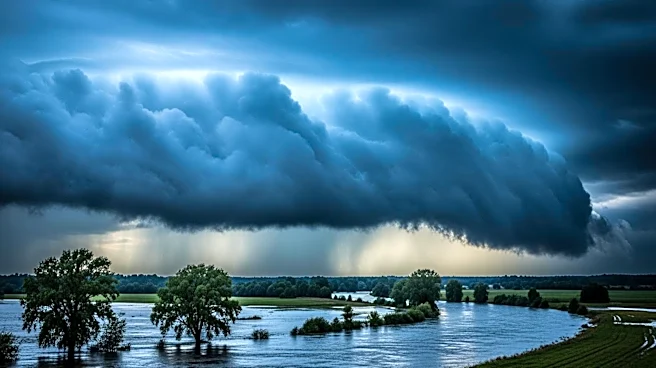
The Midwest and Great Plains are facing severe weather threats, including storms and potential tornadoes, while the East Coast experiences an early-season heatwave. Wisconsin Governor Tony Evers has declared an emergency due to storms and record rainfall,
with major flooding reported in Wisconsin and Michigan. The Weather Prediction Center forecasts that 71 daily high-temperature records could be broken across the Southeast and Mid-Atlantic. The severe weather is expected to continue, with a significant outbreak anticipated in the Midwest and Great Plains.
Why It's Important?
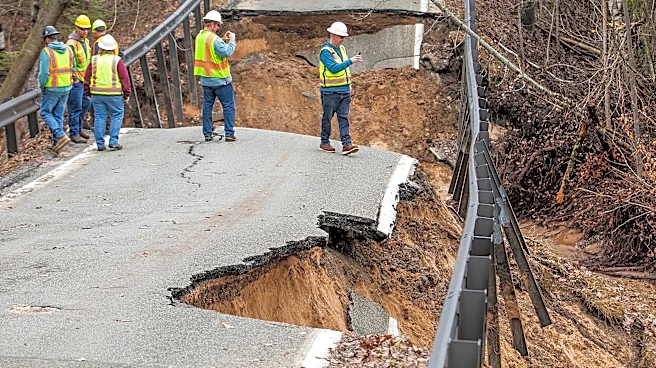
The severe weather poses risks to public safety, infrastructure, and the economy. Flooding and storms can lead to property damage, power outages, and disruptions to transportation, impacting businesses and communities. The heatwave on the East Coast could strain energy resources and pose health risks, particularly to vulnerable populations. The situation highlights the increasing frequency and intensity of extreme weather events, which are often linked to climate change. This underscores the need for robust disaster preparedness and response strategies to mitigate the impact of such events.
What's Next?
Emergency services and local governments in affected areas will need to remain vigilant and prepared to respond to the ongoing weather threats. Residents in vulnerable areas may be advised to take precautions and stay informed about weather updates. Long-term, there may be increased calls for investment in infrastructure resilience and climate adaptation measures to better withstand extreme weather events. Policymakers might also consider enhancing early warning systems and community preparedness programs to improve response capabilities.