




What's Happening?
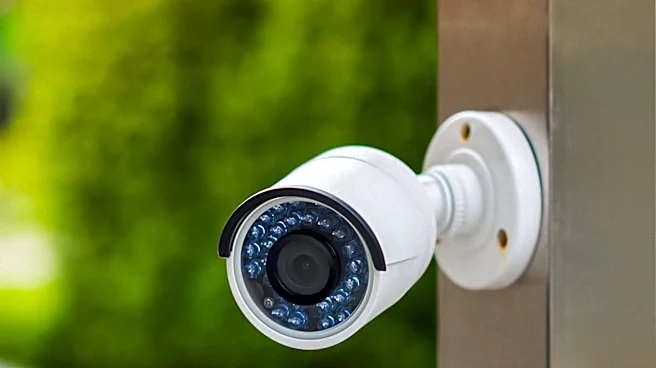
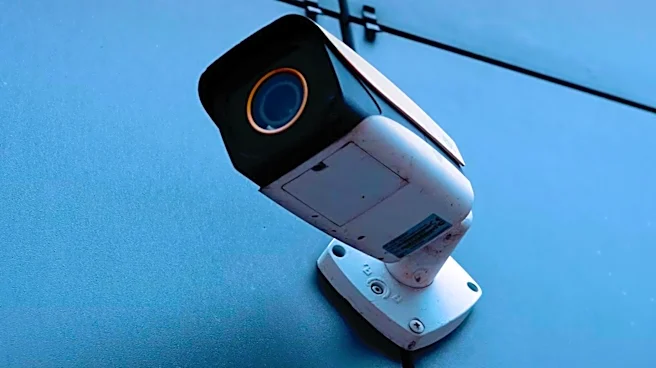
DIY home security systems are gaining traction, allowing homeowners to combine sensors, cameras, and alerts to monitor their properties. These systems enable users to receive phone alerts, access recordings, and designate backup responders. The setup
involves choosing equipment for entry points like doors, windows, driveways, and gates, then assigning alert handlers and pairing devices. Brands like aosu offer various camera systems, including solar-powered options and full-home suites. The core principle is to define what the system must do, such as reporting an opening while armed or showing a person approaching after dark, and then matching cameras, sensors, and monitoring capabilities to these specific needs. Self-monitoring is a key feature, where users receive alerts directly and decide on the appropriate action, contrasting with professional monitoring services.
Why It's Important?
The rise of DIY home security systems signifies a shift in consumer preferences towards greater control and customization in personal safety. This trend empowers individuals to tailor security solutions to their unique needs and budgets, potentially reducing reliance on costly professional installation and long-term contracts. For U.S. consumers, this means more accessible and flexible security options, particularly for renters or those with mobile lifestyles who may not want to commit to multi-year agreements. The emphasis on self-monitoring also highlights a growing desire for immediate, direct alerts and personal oversight, rather than solely depending on third-party monitoring centers. This approach can lead to quicker response times for minor incidents and a more personalized sense of security, though it also places more responsibility on the homeowner for active management and response coordination.
What's Next?
The market for DIY home security is expected to continue expanding, with ongoing advancements in sensor technology, camera capabilities, and user-friendly app interfaces. Future developments may include more sophisticated AI-driven analytics for improved detection and reduced false alarms, as well as enhanced integration with other smart home devices. Consumers can anticipate a wider range of customizable kits and modular components, allowing for easier expansion and adaptation of systems over time. The focus will likely remain on empowering users with direct control and real-time information, potentially leading to more advanced self-monitoring features and community-based security networks. Additionally, as these systems become more prevalent, there may be increased discussions around data privacy and the secure storage of personal video recordings.
Beyond the Headlines
The proliferation of DIY home security systems raises broader questions about the evolving nature of personal responsibility and community safety. While these systems offer individual empowerment, they also highlight potential disparities in security access, as not all individuals may have the technical literacy or time to effectively manage a self-monitored system. Ethically, the widespread use of personal surveillance cameras could lead to increased neighborhood monitoring, potentially blurring lines between private security and public space, and raising concerns about privacy for individuals captured on these devices. Culturally, the trend reflects a growing desire for autonomy and immediate information in an increasingly connected world, where individuals seek to be their own first responders to potential threats. This shift could also influence local law enforcement, as they may receive more detailed, user-generated evidence from these systems, impacting investigation processes and resource allocation.