





What's Happening?
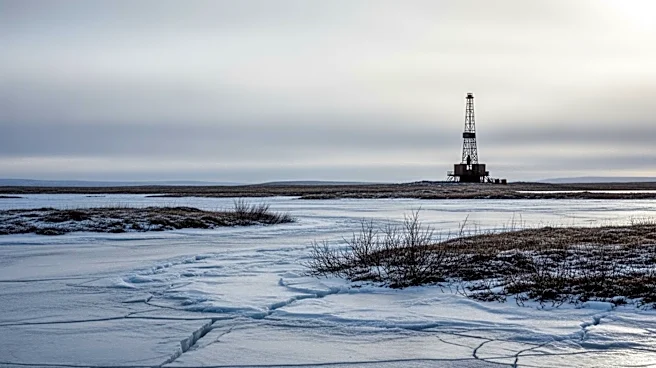
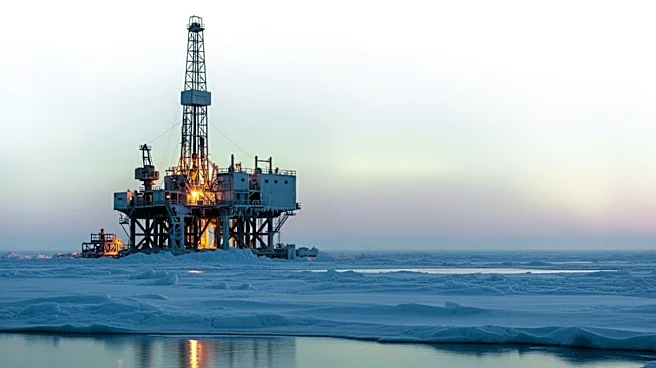
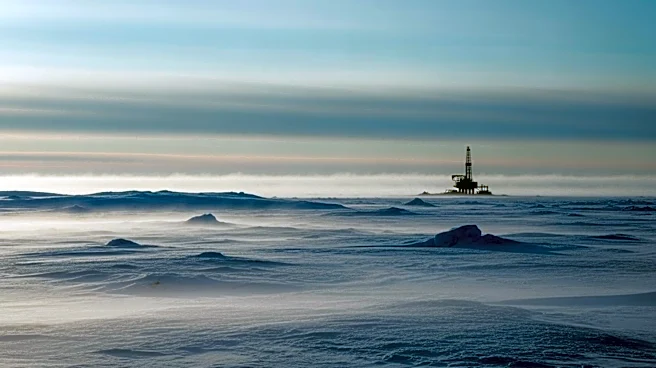
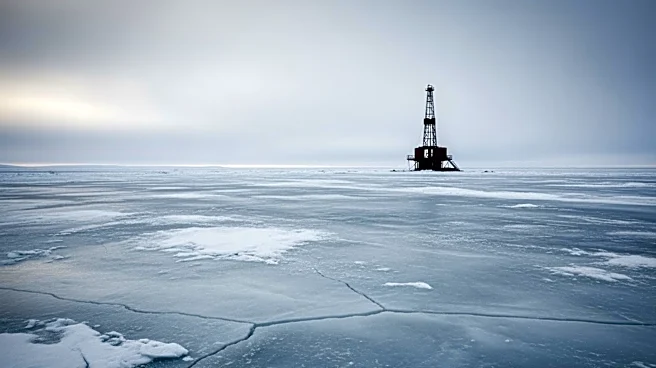
The Arctic National Wildlife Refuge (ANWR) in Alaska recently held a mandated oil lease sale, attracting only two participants: the Alaska Industrial Development and Export Authority (AIDEA) and Hex Energy. Despite the potential of 11.8 billion barrels
of recoverable oil, major oil companies abstained from bidding due to a combination of political cycle risks, environmental litigation, and high operational costs. The lease sale is part of a legislative requirement under the One Big Beautiful Bill Act, which mandates four lease sales by 2035. The lack of interest from major operators highlights the complex interplay of investment risks, including potential permit cancellations by future administrations and pressures from ESG-focused investors.
Why It's Important?
The minimal participation in the ANWR lease sale underscores significant challenges in balancing energy development with environmental conservation. The absence of major oil companies reflects broader industry concerns about the viability of Arctic drilling, given the high political and environmental risks. This situation highlights the growing influence of ESG criteria on investment decisions, as companies face pressure to avoid high-controversy projects. The outcome of the lease sale also raises questions about the future of U.S. energy policy and the role of federal lands in energy production. The ongoing debate over ANWR's development is emblematic of the broader tension between economic interests and environmental protection.
What's Next?
The federal government is legally obligated to conduct three more lease sales in ANWR by 2035, despite the current lack of interest. Future sales will serve as indicators of whether the investment climate has shifted enough to attract major operators. Potential changes in administration could alter the regulatory landscape, either encouraging or further deterring investment. Additionally, the ongoing dialogue between indigenous communities, environmental groups, and policymakers will continue to shape the future of ANWR's development. The outcome of these discussions could influence broader U.S. energy policy and the role of public lands in resource extraction.