




What's Happening?
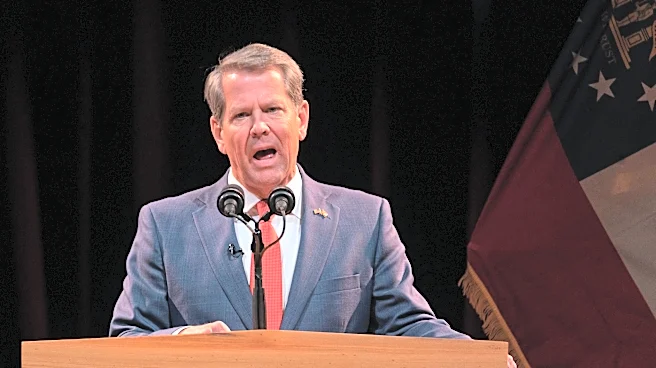
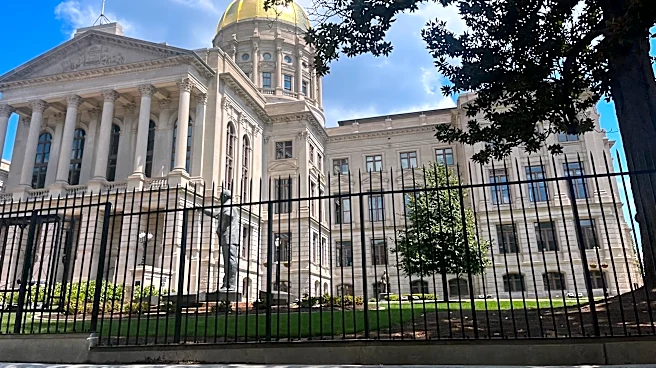
Governor Brian Kemp has extended the State of Emergency for Fannin, Gilmer, Murray, and Union counties in North Georgia for an additional seven days, following severe flooding that occurred last week. The executive order, signed on Thursday, ensures that state
emergency resources remain deployed in these four mountain counties until 11:59 p.m. on November 19, unless further renewed or ended earlier. The flooding, which resulted from a storm system on November 5-6, caused the death of 56-year-old Ellijay resident Julie Barrs in Murray County and necessitated 100 water rescues across Fannin and Gilmer counties. Widespread damage to roads and culverts cut off residents, and the Toccoa River crested at a record 18 feet in McCaysville. Preliminary assessments in Fannin County indicate 38 homes were destroyed and 169 sustained major damage, with two businesses destroyed and 78 severely damaged.
Why It's Important?
The extension of the state of emergency is crucial for the ongoing recovery efforts in North Georgia. It ensures continued access to vital state resources, which are essential for debris removal, road repairs, and providing assistance to affected residents. The severe damage to homes, businesses, and infrastructure highlights the significant economic and social disruption caused by the floods. The loss of life underscores the critical importance of emergency preparedness and rapid response. For the affected communities, this extension means sustained support as they navigate the complex process of rebuilding and recovery. The preliminary damage assessments, while not final, indicate a substantial need for aid and potentially federal disaster assistance, which could have broader implications for state and federal budgets.
What's Next?
The state of emergency is set to expire on November 19, unless Governor Kemp issues another extension. State and local crews will continue their recovery efforts, focusing on debris removal and repairing damaged roads and infrastructure. Fannin County officials are extending volunteer operations and are requesting specific donations, such as small propane heater bottles and carbon monoxide detectors, as recovery needs evolve. Authorities have not yet released an updated total cost estimate for public infrastructure damage or indicated whether Georgia will seek federal disaster assistance. These decisions will be critical in determining the long-term financial and logistical support for the affected counties. Residents are encouraged to stay informed about local updates and volunteer opportunities.
Beyond the Headlines
The severe flooding in North Georgia and the subsequent state of emergency extension reveal deeper vulnerabilities in rural communities to extreme weather events. The extensive damage to infrastructure and the tragic loss of life underscore the need for robust disaster preparedness and resilient infrastructure, particularly in mountainous regions prone to flash floods. The preliminary FEMA definitions used for damage assessment highlight the nuanced process of evaluating disaster impact, which can influence eligibility for various forms of assistance. This event also brings to light the critical role of community support and volunteer efforts in the immediate aftermath of a disaster. The question of whether Georgia will seek federal disaster assistance points to the broader financial burden that climate-related events place on state and federal governments, potentially influencing future policy decisions regarding disaster relief funding and climate adaptation strategies.