





What's Happening?
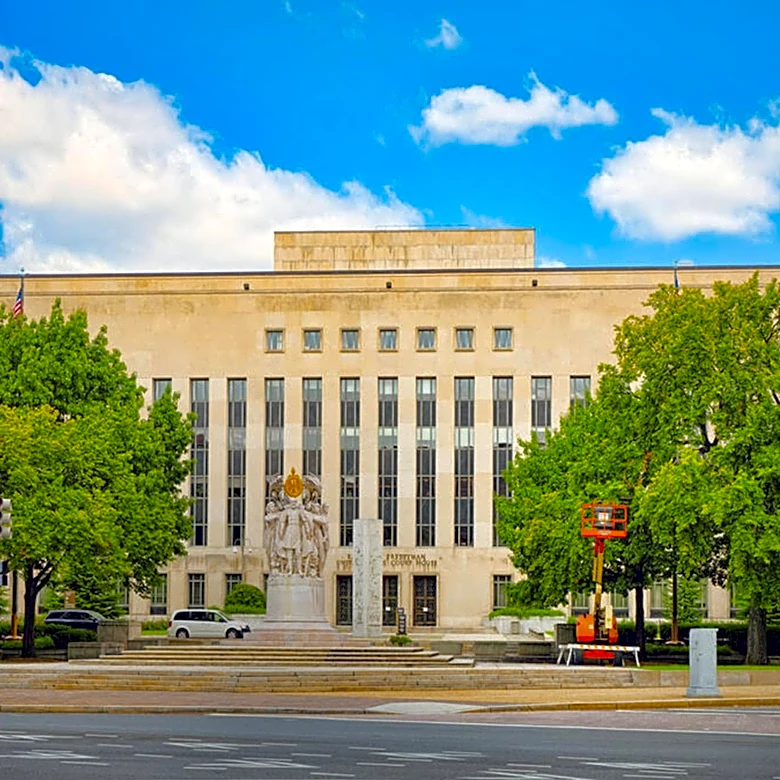
The Minnesota Supreme Court is set to hear a case regarding whether pools listed on the Swimply app should be classified as public facilities, which would subject them to government licensing and potential state inspections. This follows a lower court's
decision earlier this year in favor of such regulations. Swimply, an Airbnb-style platform, allows users to rent private pools, and has seen significant growth with over 275,000 reservations this year. The platform's expansion reflects a broader trend in the sharing economy, where private property is rented out for short-term use. The case highlights ongoing regulatory challenges similar to those faced by early ridesharing apps.
Why It's Important?
The outcome of this case could have significant implications for the sharing economy, particularly for platforms like Swimply that facilitate the rental of private spaces. If pools are deemed public facilities, it could lead to increased regulatory oversight and costs for pool owners, potentially affecting the platform's growth and user base. This decision could set a precedent for how other sharing economy services are regulated, impacting liability and operational costs. The case underscores the tension between innovation in the sharing economy and existing regulatory frameworks, which may need to adapt to new business models.
What's Next?
The Minnesota Supreme Court's decision will be closely watched by stakeholders in the sharing economy, as it could influence regulatory approaches in other states. Pool owners and platforms like Swimply may need to adjust their business models depending on the ruling. Additionally, local communities and governments may consider similar regulations, affecting the availability and cost of renting private spaces. The decision could also prompt further legal challenges and discussions about the responsibilities and liabilities of sharing economy platforms.