




What's Happening?
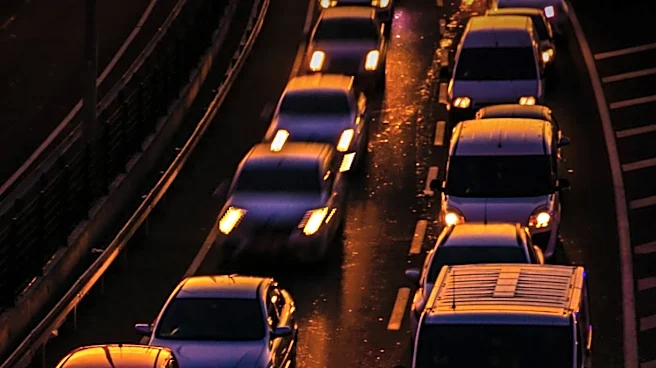
The Portland Bureau of Transportation (PBOT) is preparing for a weeks-long southbound Interstate 5 shutdown by deploying advanced traffic management strategies and technology. PBOT's Traffic Operations Center will utilize engineers to remotely monitor
traffic cameras and adjust signal timings at key intersections expected to be heavily impacted. Bikram Raghubansh, engineering supervisor for Intelligent Transportation Systems for PBOT, stated that fiber optic and wireless communication allow staff to make real-time timing changes from their offices or homes. In collaboration with the Oregon Department of Transportation (ODOT), 13 new traffic cameras have been installed in areas anticipated to experience increased congestion, adding to the existing 170 cameras across Portland. PBOT spokesperson Dylan Rivera noted that these new cameras fill gaps in monitoring areas expected to see significant traffic increases. The agency also plans to extend some traffic signal cycles from 70 to 90 seconds to favor certain directions while balancing pedestrian needs. PBOT is urging the public to 'Shift Your Trip' by using transit, carpooling, biking, or walking, and to avoid using residential streets as shortcuts.
Why It's Important?
This proactive approach by PBOT highlights the critical role of intelligent transportation systems and real-time data in urban traffic management, especially during major infrastructure projects. The ability to remotely adjust traffic signals and monitor conditions allows for a more dynamic response to evolving congestion patterns, potentially reducing commute times and driver frustration. The collaboration between PBOT and ODOT in deploying additional cameras demonstrates an integrated strategy to address regional traffic challenges. The 'Shift Your Trip' campaign underscores the importance of public cooperation in mitigating traffic impacts, promoting sustainable transportation alternatives, and reducing the overall carbon footprint. If successful, these measures could serve as a model for other cities facing similar infrastructure challenges, demonstrating how technology and public engagement can work in tandem to maintain urban mobility during disruptive events. The potential for gridlock, as warned by Rivera, emphasizes the severe economic and social costs associated with prolonged traffic congestion, making effective mitigation crucial for local businesses and residents.
What's Next?
The weeks-long southbound Interstate 5 shutdown is set to begin late Friday night, initiating the period during which PBOT's new strategies will be tested. PBOT will continuously monitor traffic conditions and gather feedback throughout the five-week closure, making operational adjustments as needed. According to Dylan Rivera, lessons learned from this closure will be applied to the anticipated northbound I-5 closure scheduled for next year. This suggests an iterative process of improvement in traffic management protocols. Drivers should anticipate significant delays and are strongly encouraged to follow PBOT's advice to use alternative transportation methods or adjust their travel times. The effectiveness of the new camera installations and remote signal adjustments will be closely observed, providing valuable data for future urban planning and traffic engineering initiatives. The public's adherence to the 'Shift Your Trip' initiative will also be a key factor in determining the overall success of congestion mitigation efforts.
Beyond the Headlines
The deployment of advanced traffic monitoring and signal adjustment technologies in Portland reflects a broader trend in urban planning towards 'smart city' infrastructure. This approach leverages data and connectivity to optimize city services, with traffic management being a primary application. The ability for engineers to make remote adjustments not only enhances efficiency but also improves responsiveness during unexpected events, reducing the need for physical deployment and associated delays. This shift towards remote operations also has implications for workforce management within transportation departments, potentially allowing for more flexible work arrangements and quicker response times outside of traditional office hours. Furthermore, the emphasis on encouraging alternative modes of transport like public transit, biking, and walking aligns with long-term sustainability goals and efforts to reduce urban reliance on single-occupancy vehicles. This project could accelerate the adoption of similar intelligent transportation systems in other U.S. cities, fostering a more resilient and adaptable urban mobility network.