





What's Happening?
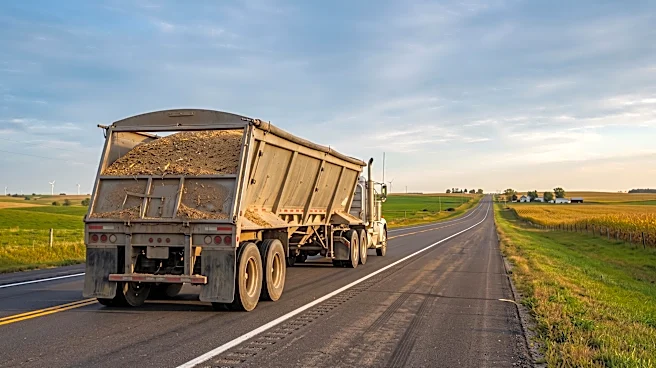
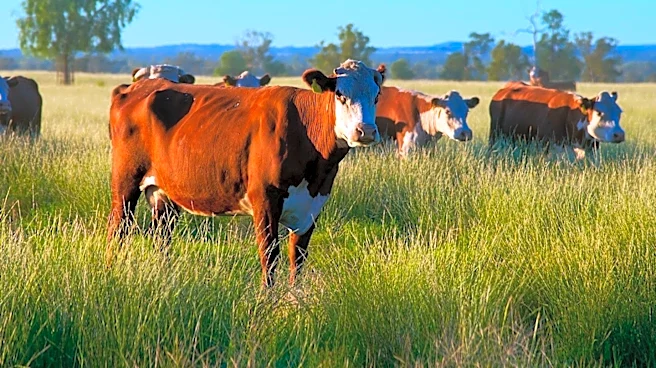
Wyoming Governor Mark Gordon has signed Executive Order 2026-011, which extends the authorization for emergency relief permits. These permits allow vehicles transporting oversize and overweight loads of livestock feed and livestock to operate across Wyoming.
This executive order prolongs the provisions of the original authorization, Executive Order 2026-005. The extension aims to provide continued flexibility and support for the agricultural sector in the state, particularly for those involved in livestock management and feed distribution. The measure addresses the logistical challenges associated with moving large quantities of feed and animals, ensuring that agricultural operations can maintain efficiency and respond to needs without undue regulatory burden. This action underscores the state's commitment to supporting its vital agricultural industry.
Why It's Important?
The extension of emergency transportation permits by Governor Gordon is crucial for Wyoming's agricultural industry, a significant component of the state's economy. By allowing for the continued transport of oversize and overweight loads of livestock and feed, the order directly supports ranchers and farmers who often face logistical hurdles in their operations. This flexibility can prevent potential disruptions in the supply chain for livestock feed, which is vital for animal welfare and the economic stability of livestock producers. Without such provisions, producers might incur higher costs or face delays, impacting their profitability and potentially leading to shortages or increased prices for consumers. The executive order also signals the state government's responsiveness to the practical needs of its agricultural community, fostering a more stable operating environment for a key economic sector.
What's Next?
The extended emergency transportation permits will remain in effect, providing ongoing relief for Wyoming's agricultural sector. Stakeholders in the livestock and feed transportation industries can continue to operate under these relaxed regulations, which will likely facilitate smoother operations for the foreseeable future. The Governor's office will likely monitor the situation to determine if further extensions or modifications are necessary based on prevailing conditions, such as weather patterns, feed availability, or market demands. This proactive approach suggests that the state is prepared to adapt its policies to support the agricultural community as needs evolve. Businesses involved in transporting agricultural goods should stay informed about any future updates or changes to these executive orders.
Beyond the Headlines
This executive order highlights a broader trend of state governments providing targeted regulatory relief to essential industries, particularly agriculture, in response to ongoing operational challenges. Such measures often reflect a recognition of the unique logistical demands faced by sectors like livestock farming, which are susceptible to environmental factors and market fluctuations. Beyond immediate economic benefits, these extensions can contribute to the resilience of local food systems by ensuring that critical resources like feed and livestock can be moved efficiently. It also underscores the role of executive action in providing agile responses to industry needs, bypassing potentially slower legislative processes. This approach can serve as a model for other states facing similar challenges in supporting their agricultural bases.