







What's Happening?
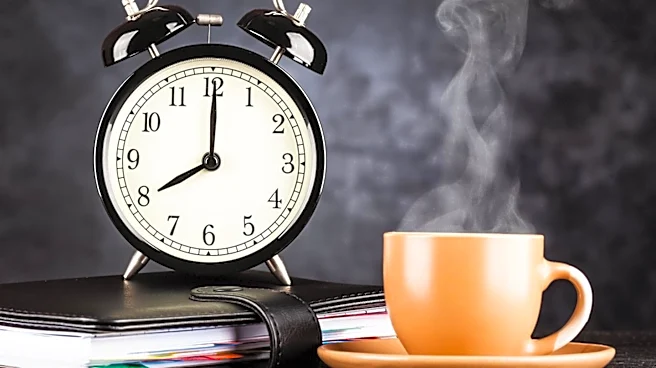
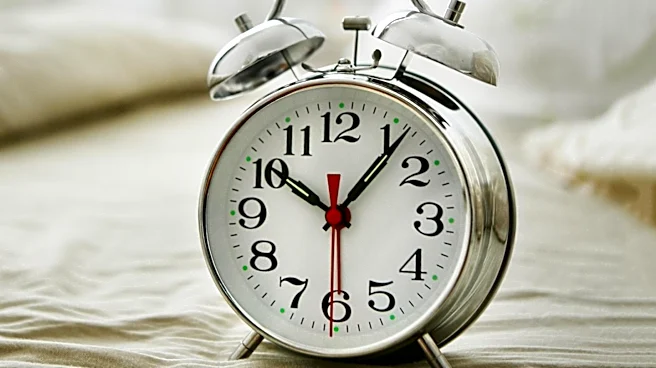
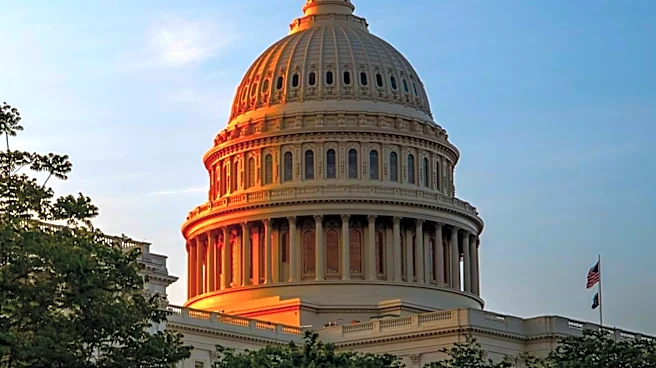
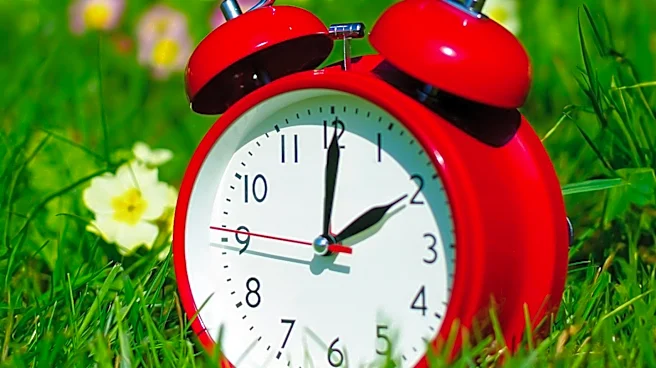
A proposal to make daylight saving time permanent, known as the Sunshine Protection Act, has passed the House of Representatives and awaits a Senate vote. This change would eliminate the biannual clock shifts, keeping the U.S. on daylight saving time year-round.
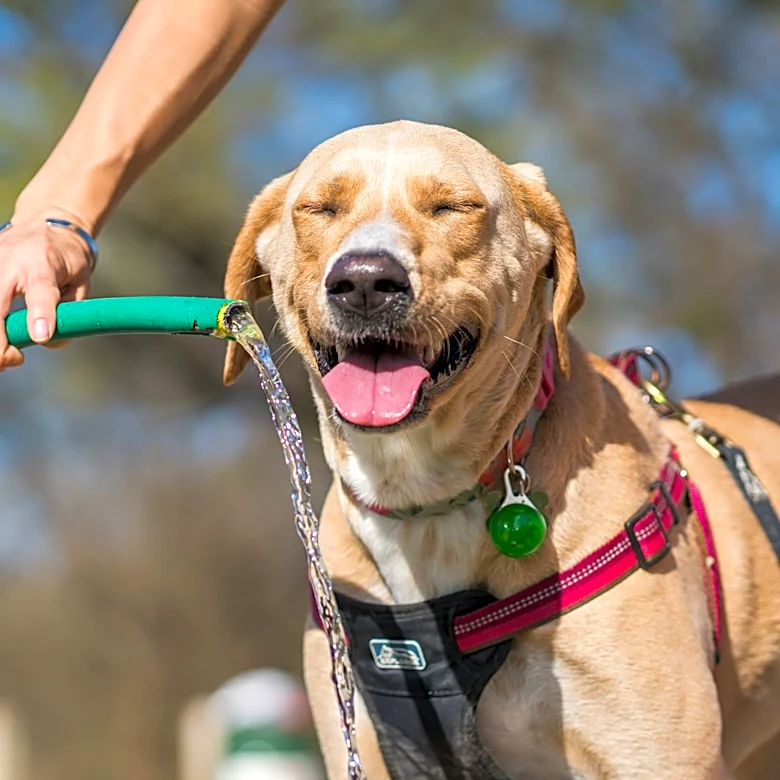
While this may simplify human schedules, it could disrupt pets' routines. Dr. Karen Halligan, a veterinarian, explains that pets rely on consistent routines rather than clocks. Sudden changes in feeding, walking, and medication schedules could temporarily confuse pets. Halligan advises pet owners to gradually adjust their pets' schedules to minimize disruption.
Why It's Important?
The potential shift to permanent daylight saving time could have broader implications beyond human convenience. Pets, particularly those with strict routines or health needs, may experience stress or confusion due to changes in their owners' schedules. This highlights the interconnectedness of human and animal routines and the need for careful planning to ensure the well-being of pets. The change could also affect pet owners' daily activities, such as walking times, which may need to be adjusted to avoid extreme temperatures or darkness, impacting both pet and owner safety.
What's Next?
If the Senate approves the Sunshine Protection Act, the U.S. could see permanent daylight saving time implemented as early as December 1. Pet owners may need to prepare for this transition by gradually adjusting their pets' routines. This could involve shifting feeding and walking times incrementally to align with the new schedule. Additionally, pet owners should monitor their pets for signs of stress or behavioral changes and consult veterinarians for guidance on managing the transition, especially for pets with specific health needs.