




What's Happening?
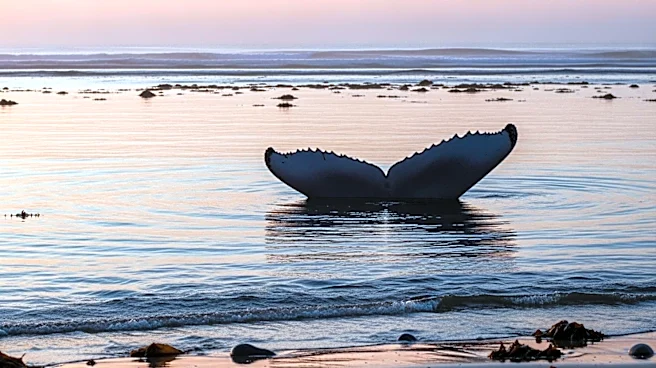
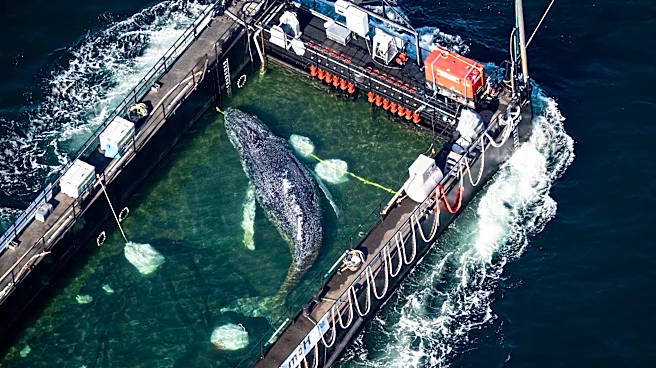
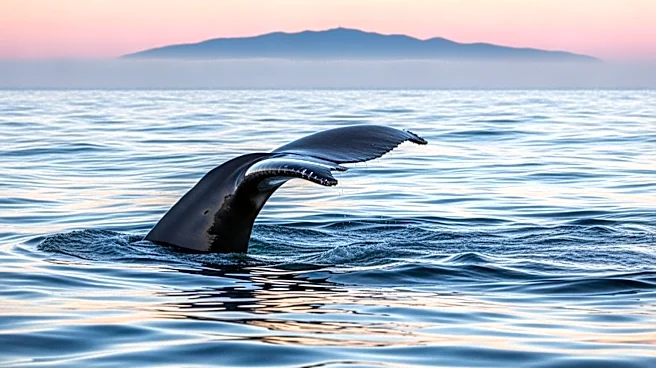
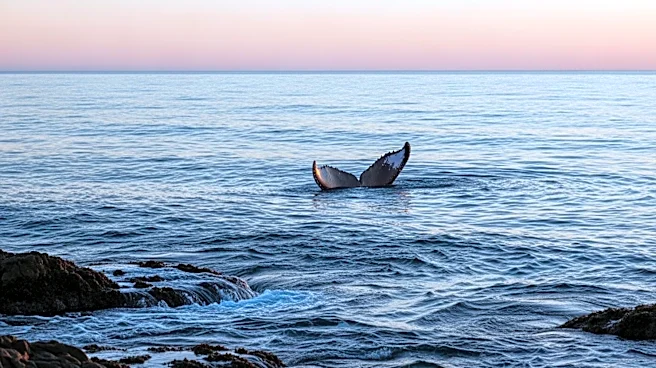
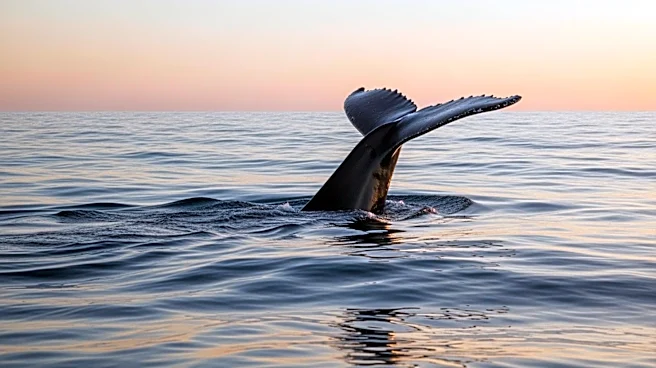
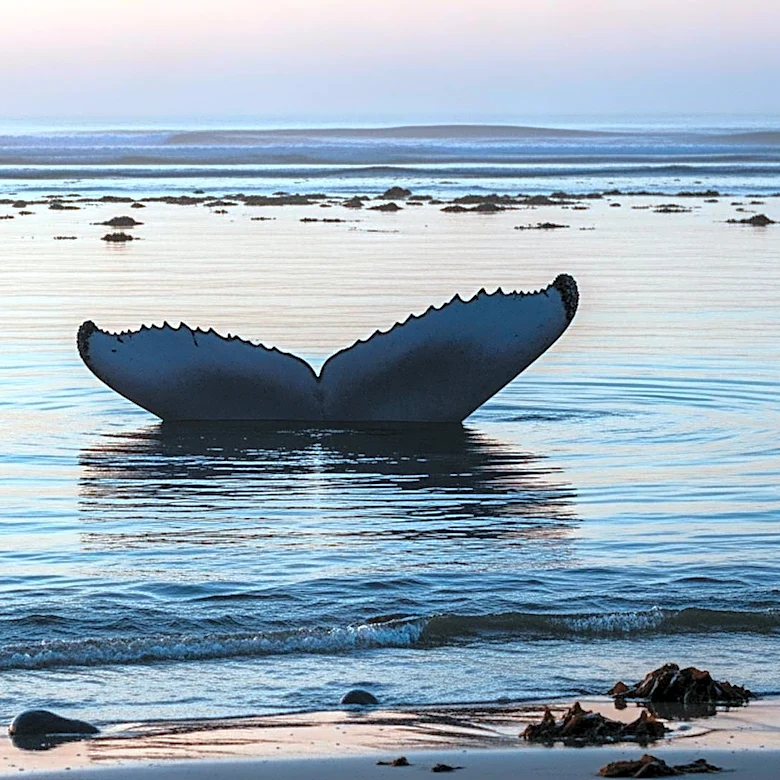
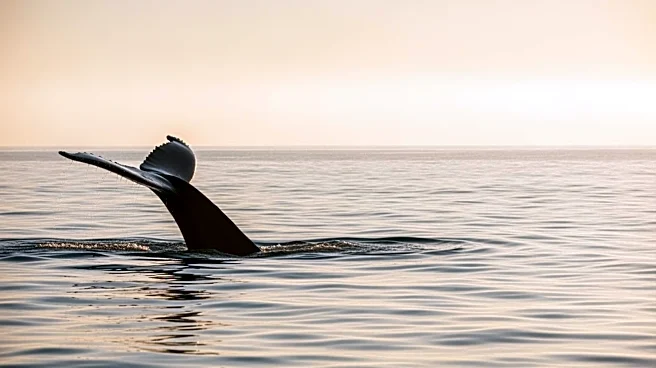
A young humpback whale, nicknamed Timmy, was found dead in the Kattegat strait between Denmark and Sweden, two weeks after a controversial rescue mission. The whale had been stranded multiple times off the coast of Germany and was in a weakened state
due to entanglement in fishing gear. Despite initial advice from the International Whaling Commission (IWC) to provide palliative care, public pressure led to a privately funded rescue mission that attempted to tow the whale to deeper waters. The mission, which received significant media attention, was criticized by marine scientists who warned that it could prolong the whale's suffering. The IWC had supported the decision to halt active rescue attempts, citing the whale's poor condition and the potential for further harm.
Why It's Important?
The incident underscores the tension between public sentiment and scientific advice in wildlife rescue operations. While the public often pushes for intervention, experts warn that such actions can sometimes worsen the situation for the animals involved. This case highlights the need for informed decision-making based on scientific evidence rather than emotional responses. It also draws attention to the broader issue of whale entanglement in fishing gear, a leading cause of mortality for large whales worldwide. The situation calls for increased awareness and potentially stricter regulations to prevent such entanglements and protect marine life.
What's Next?
The death of the whale may prompt discussions on the protocols for handling stranded marine animals and the role of public opinion in such decisions. There could be calls for more stringent guidelines and better communication between scientists, authorities, and the public to ensure that future interventions are both humane and effective. Additionally, there may be increased advocacy for measures to reduce fishing gear entanglements, which could involve changes in fishing practices or the development of new technologies.
Beyond the Headlines
This event raises ethical questions about human intervention in natural processes and the responsibilities of those involved in wildlife conservation. It also highlights the potential consequences of prioritizing public sentiment over expert recommendations. The case may lead to a reevaluation of how rescue missions are conducted and the criteria used to determine when intervention is appropriate.