


What's Happening?
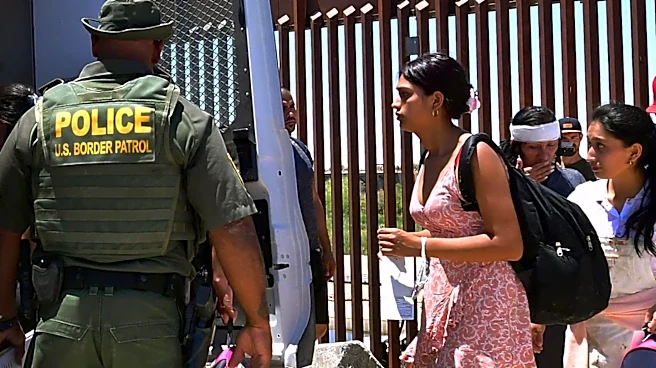
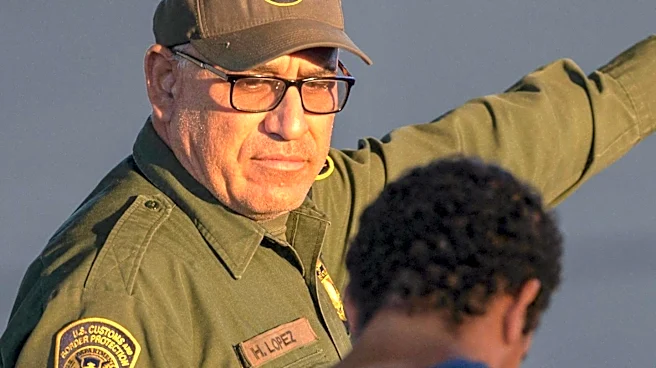
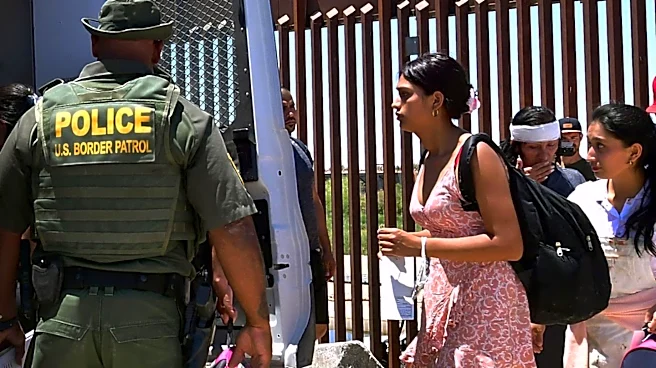
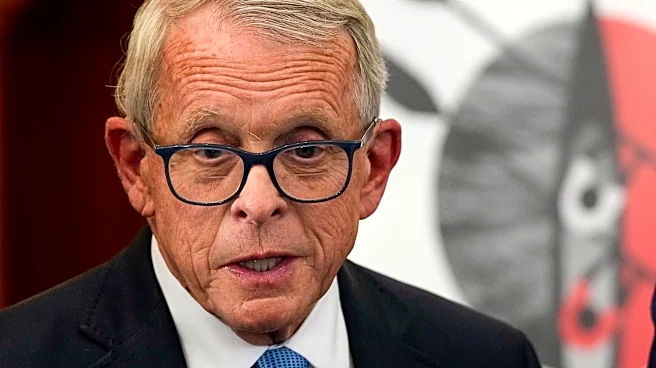
Congressman Sam Liccardo (CA-16) has publicly condemned Immigration and Customs Enforcement (ICE) for the deaths of 52 individuals in their custody since President Donald Trump assumed office. Speaking on the House Floor, Liccardo delivered a somber speech,
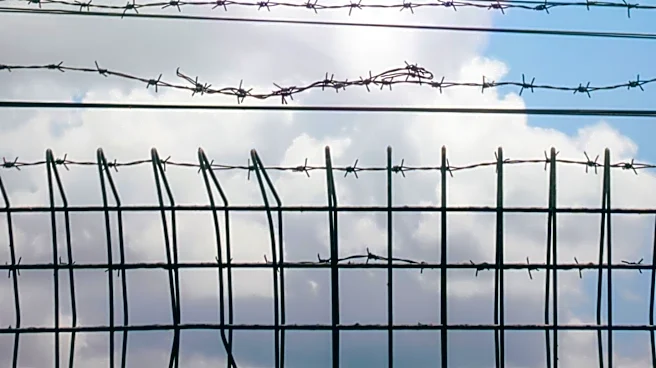
highlighting the human cost of these deaths, referring to the deceased as 'mothers and fathers, brothers and sisters, daughters and sons, every one someone's child and every one a child of God.' He expressed profound grief for the families who were unable to say goodbye to their loved ones, who he stated died 'alone behind barbed wire and concrete.' Liccardo also acknowledged and praised cities and localities, including San José, San Mateo County, and Napa County, for utilizing local zoning laws to prevent the expansion of ICE detention facilities and to safeguard community health and safety. His office has developed a toolkit to assist other communities in enacting similar ordinances.
Why It's Important?
This condemnation by Congressman Liccardo underscores a significant and ongoing debate regarding immigration policy and human rights within the United States. The deaths in ICE custody raise critical questions about the conditions within these facilities, the standard of care provided, and the broader ethical implications of detention practices. Liccardo's call for local resistance through zoning laws highlights a growing trend of communities attempting to exert control over federal immigration enforcement activities within their jurisdictions. This local action reflects a divergence in approach between federal immigration policies and local community values, potentially leading to increased legal and political friction. The issue also resonates with historical concerns about the treatment of marginalized groups, as Liccardo drew parallels to the incarceration of Japanese Americans during World War II, suggesting that history will harshly judge current practices.
What's Next?
Congressman Liccardo's remarks are a direct call for congressional action on immigrant rights, indicating that legislative efforts to address the conditions and oversight of ICE detention facilities are likely to continue. The toolkit provided by his office for local communities suggests a sustained effort to empower local governments to resist the expansion of detention centers, which could lead to more cities and counties adopting similar ordinances. This decentralized resistance may prompt further legal challenges from federal authorities or lead to a more formalized legal framework for local control over such facilities. The ongoing public discourse surrounding these deaths and the conditions in ICE custody will likely maintain pressure on both federal and local policymakers to review and potentially reform immigration detention practices. The upcoming 2026 California 16th District House election, where Liccardo is seeking re-election, may also see this issue feature prominently in his campaign.
Beyond the Headlines
The issue of deaths in ICE custody extends beyond immediate policy debates, touching upon fundamental questions of human dignity, accountability, and the role of government in protecting vulnerable populations. The comparison to historical injustices, such as the internment of Japanese Americans, elevates the discussion to a moral plane, challenging the nation's conscience regarding its treatment of non-citizens. The emphasis on local resistance through zoning laws also points to a broader trend of local communities asserting their autonomy in areas traditionally dominated by federal authority, potentially reshaping the balance of power in federal-local relations. This situation could foster increased activism and advocacy from civil society groups, pushing for greater transparency, independent oversight, and ultimately, a re-evaluation of the entire immigration detention system in the U.S. The long-term implications could include a shift in public perception regarding immigration enforcement and a demand for more humane and accountable practices.