



What's Happening?
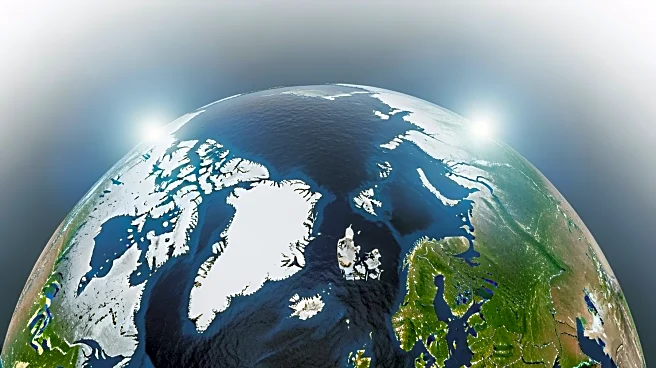
Prime Minister Sir Keir Starmer has stated that only Greenland and Denmark should determine Greenland's future, following comments from President Trump expressing interest in the territory for national security reasons. The U.S. administration has previously
suggested the possibility of annexing Greenland, a notion strongly rejected by both Greenland's and Denmark's leaders. Starmer emphasized the importance of respecting the sovereignty of Greenland and the Kingdom of Denmark, highlighting Denmark's role as a close NATO ally. The situation has sparked diplomatic discussions, with Starmer's remarks underscoring the UK's stance on respecting international sovereignty.
Why It's Important?
The issue of Greenland's sovereignty is significant as it touches on broader themes of international law and territorial integrity. President Trump's interest in Greenland reflects strategic considerations, given its location and resources. However, the firm stance by Greenland and Denmark, supported by allies like the UK, reinforces the principle of self-determination. This situation could influence future diplomatic relations and set precedents for how territorial claims are addressed in international politics. The response from European allies also highlights the importance of unity in addressing external pressures on territorial sovereignty.
What's Next?
The ongoing diplomatic dialogue is likely to continue, with potential discussions at international forums such as the UN Security Council. The situation may prompt further statements from other NATO allies, reinforcing the collective stance on respecting territorial sovereignty. Additionally, the U.S. administration may need to clarify its position and intentions regarding Greenland to avoid escalating tensions with European allies. The outcome of these discussions could have implications for future U.S.-European relations and the handling of similar territorial issues globally.