


What's Happening?
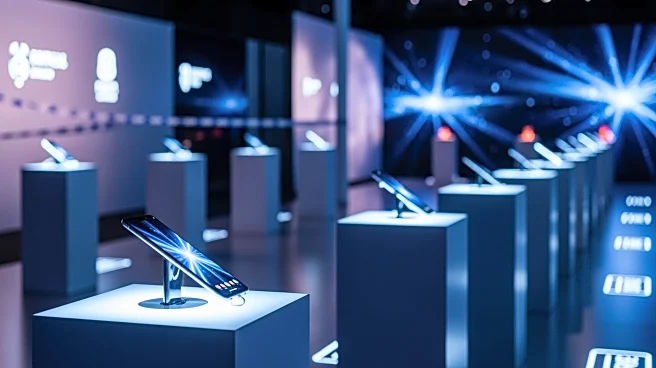
Despite the ongoing conflict with Iran, Israel maintained a significant presence at the Mobile World Congress in Barcelona, one of the largest global technology exhibitions. The Israeli pavilion, organized by the Israel Export Institute, featured innovations
in communications, artificial intelligence, and other advanced technologies. Originally, 25 Israeli companies were scheduled to participate, but only 15 managed to attend due to travel constraints related to security concerns. The pavilion hosted business-to-business meetings with international corporations, investors, and strategic partners, showcasing Israeli technology to global markets. The event was supported by volunteers from the Israeli high-tech community across Europe, and security measures were reinforced in coordination with local authorities.
Why It's Important?
Israel's participation in the Mobile World Congress during a time of conflict underscores the country's commitment to maintaining economic continuity and global partnerships. This move highlights the resilience of the Israeli tech sector, which continues to play a leading role globally despite security challenges. The presence of Israeli companies at such a significant event sends a message of strength and determination, reinforcing Israel's position as a key player in the global technology landscape. This participation not only supports economic activity but also serves as a symbolic gesture of defiance against efforts to isolate the country.
What's Next?
Following the Mobile World Congress, Israeli companies may seek to leverage the connections and partnerships established at the event to expand their global reach. The Israeli government and tech industry leaders might continue to focus on strengthening international collaborations and exploring new markets. Additionally, the ongoing conflict may prompt further discussions on enhancing security measures for international business activities. The resilience demonstrated by the Israeli tech sector could inspire other industries to adopt similar strategies in the face of geopolitical challenges.