


What's Happening?
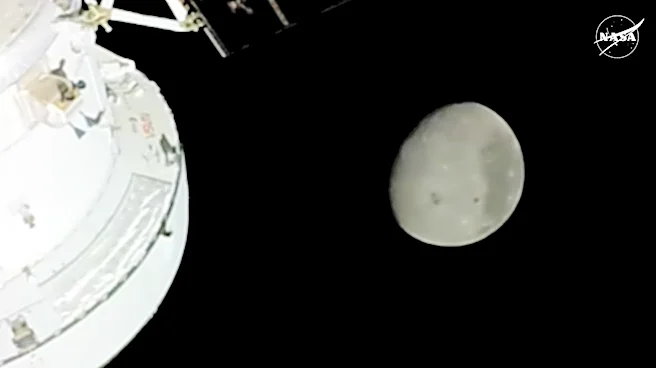
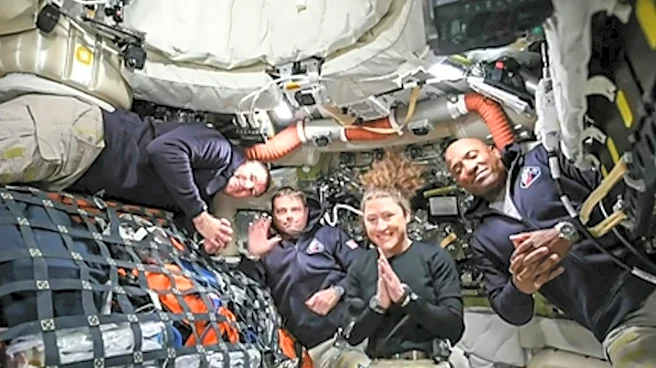
NASA's Artemis II mission has reached a significant milestone as the Orion capsule carrying astronauts Reid Wiseman, Christina Koch, Victor Glover, and Canadian astronaut Jeremy Hansen entered the lunar sphere of influence. This marks the first time astronauts have
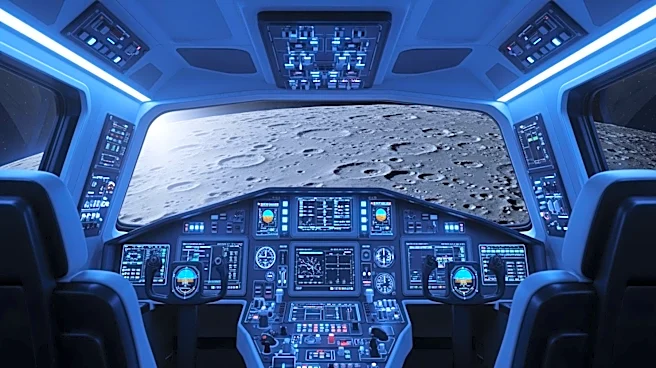
entered this region since the Apollo 17 mission in 1972. The lunar sphere of influence is a mathematical boundary where the moon's gravitational pull becomes stronger than Earth's. The crew, who are on a mission to observe and photograph the moon, have already sent back images of Earth as a distant crescent. They are set to conduct a lunar flyby, reaching a distance of 252,760 miles from Earth, surpassing the Apollo 13 crew's record. The mission includes observing the Orientale and Hertzsprung basins on the moon's surface, with the aim of understanding lunar topography changes over time.
Why It's Important?
The Artemis II mission is a pivotal step in NASA's efforts to return humans to the moon and eventually establish a sustainable presence there. By entering the lunar sphere of influence, the mission demonstrates the capabilities of the Orion spacecraft and the readiness of the crew for future lunar exploration. The observations and data collected during this mission will provide valuable insights into the moon's geological history and inform future missions. This mission also represents international collaboration, with Canadian astronaut Jeremy Hansen participating, highlighting the global interest in lunar exploration. The success of Artemis II could pave the way for more ambitious missions, including potential manned landings on the moon's surface.
What's Next?
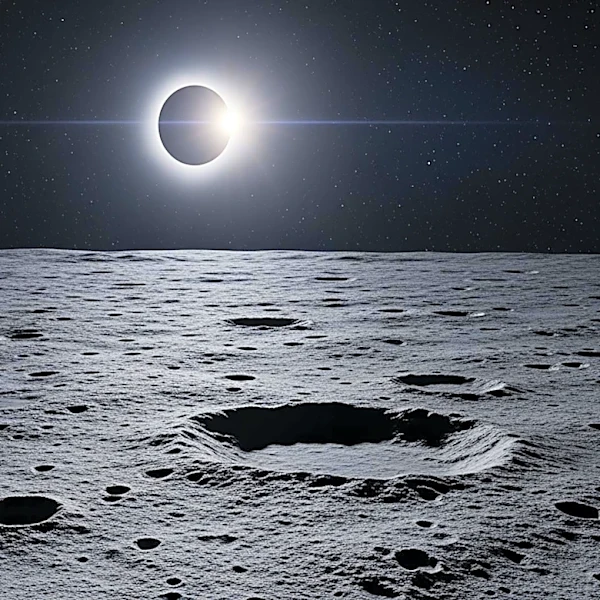
The Artemis II crew will continue their mission by conducting a lunar flyby and capturing detailed images of the moon's surface. They will focus on scientific targets such as the Orientale and Hertzsprung basins, providing data that could enhance our understanding of lunar geology. The mission is also set to experience a solar eclipse from space, offering a unique opportunity to observe the sun's corona. NASA plans to provide live coverage of the flyby, allowing the public to witness this historic event. The success of this mission will inform the planning and execution of future Artemis missions, including potential manned landings on the moon.