






What's Happening?
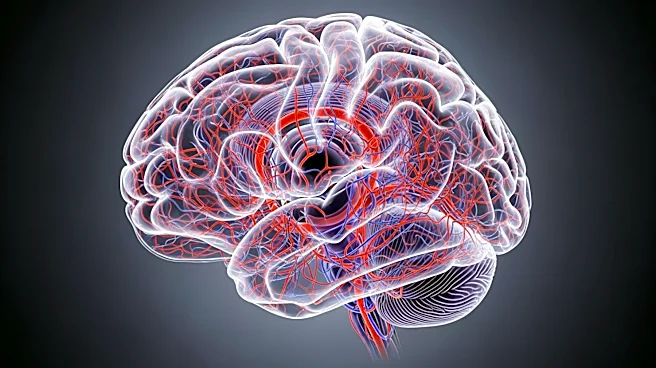
A new study from the University of Central Florida suggests that some symptoms of Alzheimer's disease may originate in the peripheral nervous system rather than the brain. Using 'human-on-a-chip' technology, researchers demonstrated that genetic mutations
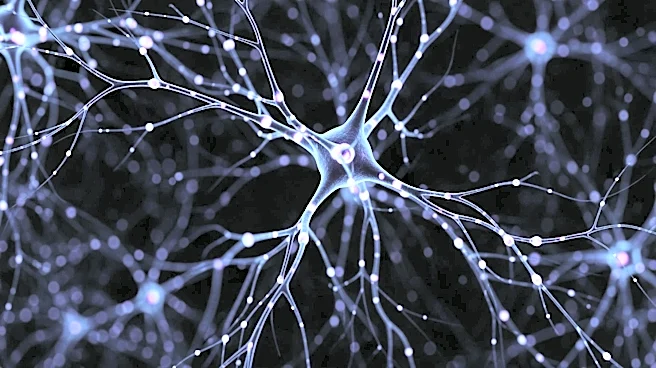
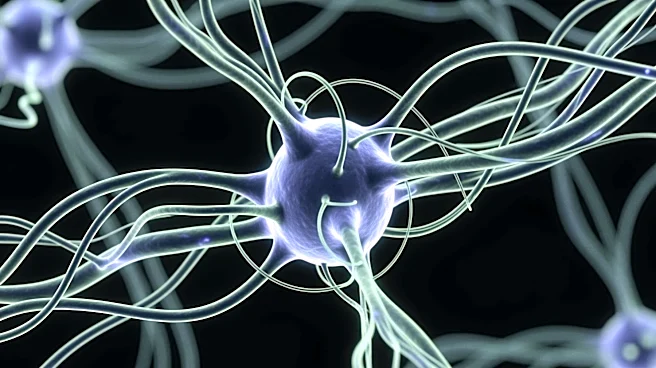
associated with familial Alzheimer's can directly damage the connection between nerves and muscles. This finding challenges the traditional understanding that Alzheimer's symptoms are solely due to brain decay, suggesting that movement-related issues may arise from nerve damage in the limbs.
Why It's Important?
This research could significantly alter the approach to diagnosing and treating Alzheimer's disease. By identifying that movement issues may stem from the peripheral nervous system, new therapeutic targets could be developed, potentially leading to more effective treatments. This discovery also highlights the limitations of current Alzheimer's medications that focus on brain plaques and tangles, which may not address peripheral nerve damage. The study underscores the importance of early intervention and the potential for physical therapy to support overall brain health.
What's Next?
The findings suggest a need for further research into the peripheral nervous system's role in Alzheimer's. Future studies may focus on developing treatments that target nerve-muscle connections to delay the onset of cognitive symptoms. The 'human-on-a-chip' technology used in this study could become a vital tool for drug developers seeking more accurate models of human disease. Continued exploration of this approach may lead to breakthroughs in understanding and treating Alzheimer's and other neurodegenerative diseases.