






What's Happening?
American households are projected to face an average increase of 9% in their winter heating bills, amounting to approximately $1,030, according to an analysis by the National Energy Assistance Directors Association (NEADA). This rise is primarily attributed
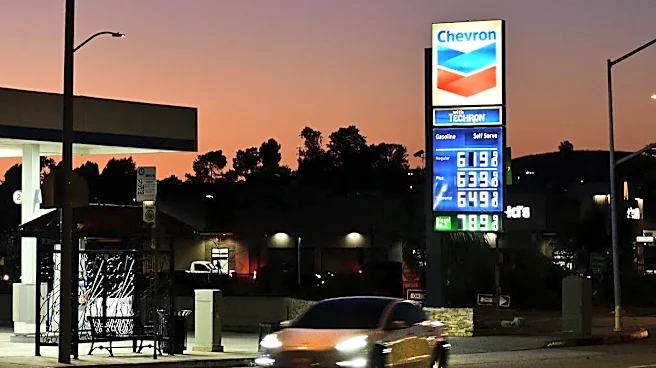
to climbing electricity and heating oil costs. NEADA reports that over 275 electric and natural gas utilities across the U.S. have either increased rates, received approval for increases, or proposed increases since 2025, potentially adding over $101 billion in costs to customers by 2028. Heating oil costs, specifically, are expected to jump from $3.68 per gallon in late 2025 to $5.66 per gallon during the same period this year, partly due to President Trump’s military actions in Iran and subsequent disruptions in oil shipments through the Strait of Hormuz. The greatest impact is anticipated for heating oil customers, predominantly in the Northeastern states, with projected bill increases of about 31%.
Why It's Important?
This projected increase in heating costs poses a significant financial challenge for millions of American households, especially those already struggling with tight budgets. The NEADA executive director, Mark Wolfe, emphasized that many families are entering winter with no financial buffer, having already endured record-high summer cooling costs. The potential for utility disconnections due to non-payment, which occurred approximately 13.4 million times for electric service and 1.7 million times for natural gas service in 2024, highlights a critical issue of energy poverty. The disproportionate impact on heating oil customers, concentrated in the Northeast, underscores regional vulnerabilities to energy market fluctuations and geopolitical events. This situation also brings into focus the broader economic implications of rising energy prices, which can contribute to inflation and reduce disposable income for consumers.
What's Next?
As winter approaches, the focus will be on how households and government programs will cope with these increased costs. NEADA has expressed concern about potential utility disconnections and the need for support for vulnerable families. While the analysis points to rising costs, the organization also noted that this year's El Niño weather phenomenon, which typically brings warmer winter temperatures, could potentially mitigate the amount of energy needed for heating. This natural factor might offer some relief by reducing overall energy consumption. However, the underlying issues of fuel cost volatility and utility rate increases remain. Policymakers and energy assistance programs will likely face increased demand for support, and consumers will be looking for strategies to manage their energy consumption and costs.
Beyond the Headlines
The anticipated rise in heating bills extends beyond mere financial inconvenience, touching upon issues of energy security, geopolitical stability, and social welfare. The direct link drawn between President Trump’s actions in Iran and the increase in heating oil costs illustrates how international events can have immediate and tangible impacts on domestic household expenses. This highlights the interconnectedness of global energy markets and the vulnerability of consumers to geopolitical tensions. Furthermore, the recurring problem of utility disconnections for non-payment points to systemic issues in energy affordability and the adequacy of social safety nets. The situation underscores the ethical imperative for governments and utility providers to ensure access to essential services, especially for the most vulnerable populations, and to explore long-term solutions for energy independence and price stability.