
What's Happening?
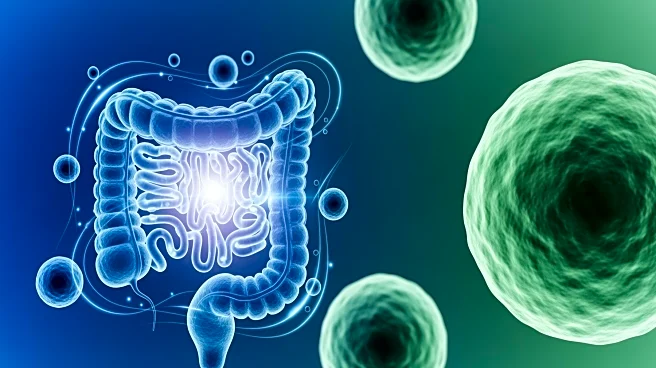
Researchers have discovered that CAR T-cell therapy, traditionally used to treat certain cancers, can rejuvenate the gut lining in older mice, making it resemble that of younger mice. This breakthrough
raises the possibility of using the therapy to restore gut health in aging humans. The study, conducted by scientists at Cold Spring Harbor Laboratory, involved engineering immune cells to target and remove senescent cells in the gut, which accumulate with age and contribute to inflammation and tissue degradation. The therapy improved gut barrier integrity and reduced inflammation, suggesting potential applications in treating age-related gut issues.
Why It's Important?
The findings offer a new avenue for addressing age-related health issues, particularly those affecting the gut. As the gut plays a crucial role in overall health and immune function, improving its condition could have wide-ranging benefits for aging populations. The study highlights the potential of CAR T-cell therapy beyond cancer treatment, opening up possibilities for its use in regenerative medicine. However, the therapy's application in humans will require further research to ensure safety and efficacy, given the complexity and cost of CAR T-cell treatments.
Beyond the Headlines
The study raises ethical and practical considerations regarding the use of advanced therapies for non-life-threatening conditions like aging. While the potential benefits are significant, the high cost and logistical challenges of CAR T-cell therapy may limit its accessibility. Additionally, the removal of senescent cells, while beneficial in some contexts, could have unintended consequences, as these cells also play roles in processes like wound healing. The research underscores the need for careful evaluation of the risks and benefits of using such therapies in broader medical applications.