
What's Happening?
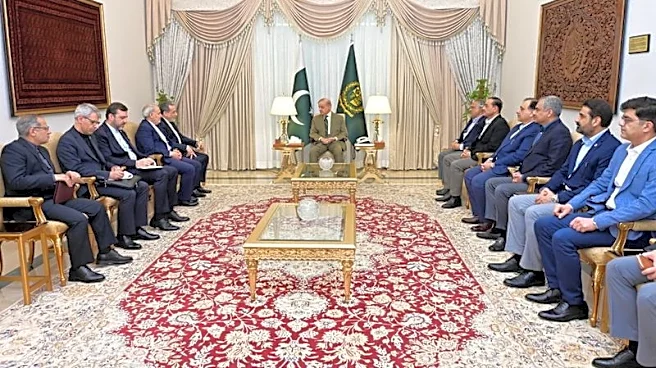
President Donald Trump has canceled a planned trip by U.S. envoys to Pakistan for talks with Iranian officials. This decision follows the departure of Iran's Foreign Minister Abbas Araghchi from Pakistan.
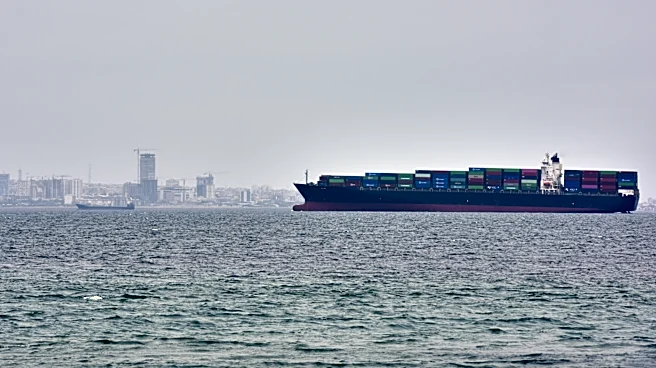
Trump instructed Steve Witkoff and Jared Kushner to abandon their plans to visit Islamabad, despite previous indications that Iran was offering a resolution to the ongoing conflict. The cancellation comes amid heightened tensions, with Iran's Islamic Revolutionary Guard Corps maintaining a blockade in the Strait of Hormuz, affecting global energy markets. Araghchi, after meeting with Pakistani leaders, is set to continue his diplomatic tour to Oman and Russia to discuss efforts to end the conflict initiated by the U.S. and Israel against Iran.
Why It's Important?
The cancellation of the U.S. envoys' trip underscores the fragile state of U.S.-Iran relations and the complexities of diplomatic negotiations in the region. The ongoing blockade of the Strait of Hormuz by Iran has significant implications for global energy markets, as a substantial portion of the world's oil and gas shipments pass through this waterway. The U.S. maintains a strong military presence in the region, which adds to the geopolitical tension. The decision to cancel the trip may signal a strategic pause in direct negotiations, potentially impacting future diplomatic efforts and regional stability.
What's Next?
As tensions remain high, the focus will likely shift to indirect diplomatic channels and potential backdoor negotiations. Iran's continued diplomatic engagements with Oman and Russia may open new avenues for dialogue. The U.S. may also explore alternative strategies to address the blockade and its impact on energy markets. The international community will be closely monitoring these developments, as any escalation could have far-reaching consequences for global security and economic stability.