








What's Happening?
OCLC, a non-profit global technology company providing services for libraries, is actively seeking a Product Manager for Public Library Discovery. This role is based in Dublin, Ohio, and involves a hybrid work arrangement, typically requiring three days
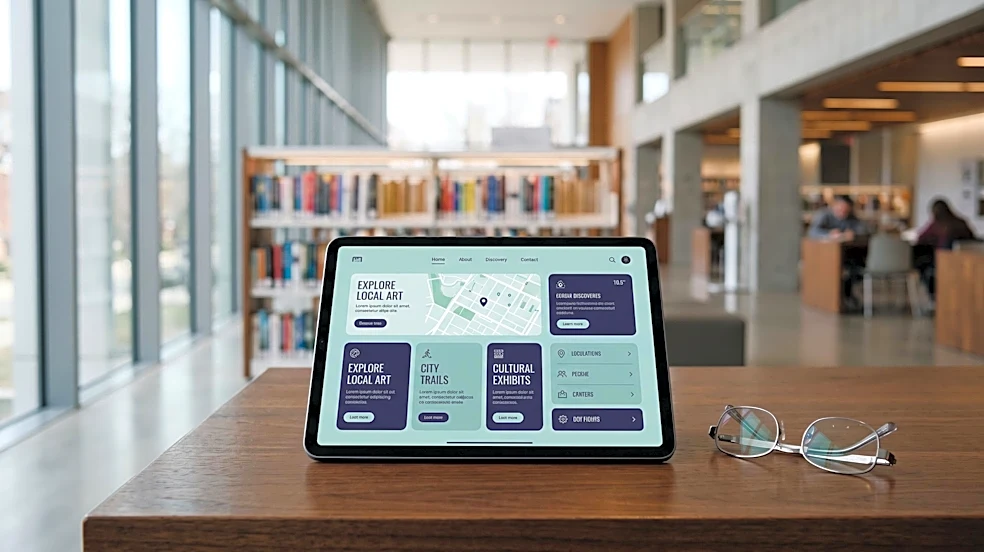
per week on-site. The Product Manager will be responsible for setting and maintaining the product roadmap for OCLC's patron-facing discovery portfolio in public libraries. This includes products such as CapiraMobile, public library web visibility, and new offerings designed to help libraries connect with patrons across various channels, including web, mobile, and emerging AI-assisted platforms. The position also entails conducting market analysis, developing product strategy, creating business cases, and formulating pricing and positioning plans to ensure product profitability. The successful candidate will lead cross-functional product workgroups, facilitate communication between product management and development teams, and drive consensus on priorities. Additionally, the role involves developing strategies for customer acquisition and retention, managing relationships with user groups, and supporting the sales team with marketing and awareness initiatives. OCLC's mission is to make knowledge accessible globally, connecting over 54,000 libraries in more than 100 countries through cloud computing, data sharing, AI, machine learning, and discovery tools.
Why It's Important?
This hiring initiative by OCLC is significant for the U.S. library sector and the broader information accessibility landscape. The focus on enhancing public library discovery tools, particularly through mobile and AI-assisted channels, reflects a critical evolution in how communities access information. Improved discovery platforms can significantly increase library engagement, making resources more readily available to a wider demographic, including those in underserved areas. This can lead to greater digital inclusion and educational opportunities. For OCLC, this role is central to its strategic growth and its mission of making knowledge accessible, reinforcing its position as a key technology provider for libraries. The development of new offerings in this area could set industry standards for library services, influencing how other library systems and technology providers approach patron engagement. The emphasis on market analysis and product profitability also indicates a strategic effort to ensure the sustainability and innovation of these essential public services. The hybrid work model in Dublin, Ohio, also highlights a trend in corporate operations, balancing in-person collaboration with remote flexibility.
What's Next?
The immediate next step is the recruitment and onboarding of a qualified Product Manager. Once in place, this individual will begin to shape the strategic direction of OCLC's public library discovery portfolio. This will likely involve in-depth market research to identify emerging needs and technological trends, followed by the development of detailed product roadmaps and release plans. Collaboration with engineering, user experience (UX), and sales teams will be crucial to translate strategic goals into tangible product enhancements and new offerings. We can anticipate the gradual rollout of updated or new discovery tools, potentially incorporating more advanced AI and machine learning capabilities to personalize user experiences and improve search accuracy. Furthermore, the Product Manager will be instrumental in fostering relationships with library partners and user groups, ensuring that product development aligns with the practical needs of libraries and their patrons. This ongoing feedback loop will be vital for the continuous improvement and adoption of OCLC's services, ultimately impacting how millions of Americans interact with their local libraries.
Beyond the Headlines
The strategic investment in public library discovery tools by OCLC has broader implications for the future of information access and community engagement in the U.S. As digital divides persist, particularly in rural and low-income areas, enhanced library discovery platforms can serve as vital bridges, ensuring equitable access to educational resources, job search tools, and cultural content. The integration of AI and machine learning into these platforms could lead to more intuitive and personalized user experiences, potentially transforming libraries into even more dynamic and responsive community hubs. This evolution also raises questions about data privacy and algorithmic bias in information retrieval, which will need careful consideration as these technologies advance. Furthermore, the success of these initiatives could influence public policy regarding library funding and digital infrastructure, potentially leading to increased investment in library technology nationwide. The role of libraries as essential public institutions is being redefined in the digital age, and OCLC's efforts in this area are at the forefront of that transformation, impacting not just how people find books, but how they connect with knowledge and community in an increasingly digital world.