







What's Happening?
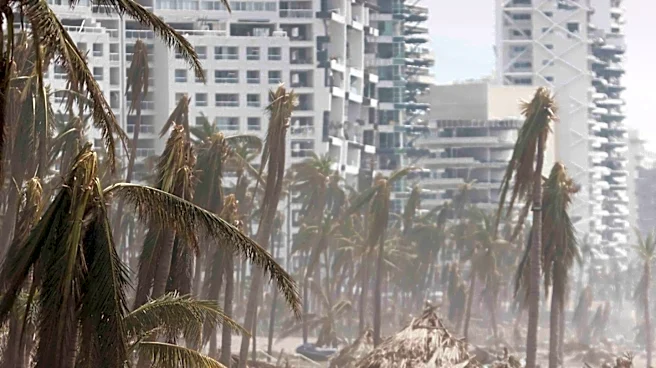
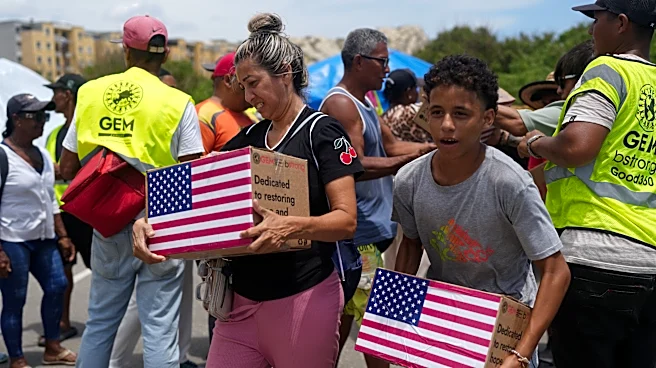
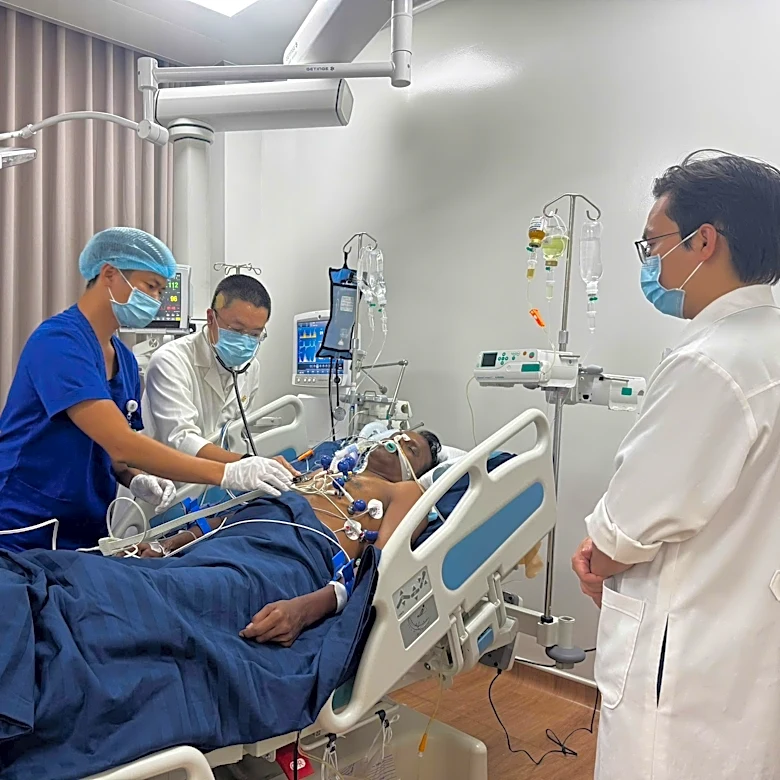
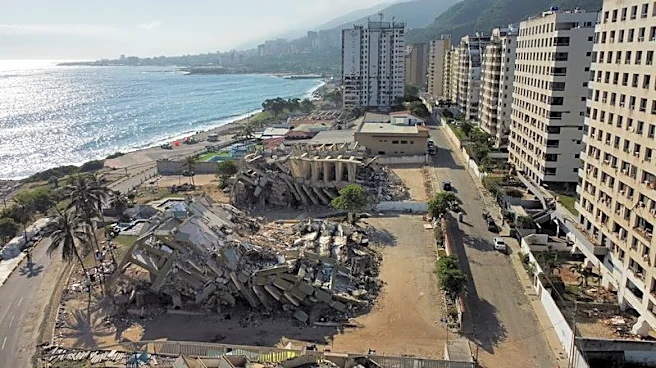
In the aftermath of devastating earthquakes in Venezuela, survivors are grappling with significant healthcare challenges. The World Health Organization has delivered six metric tons of medical supplies, with additional aid on the way. Despite these efforts,
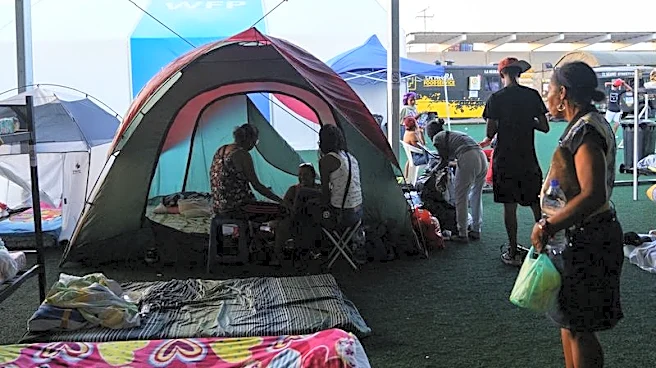
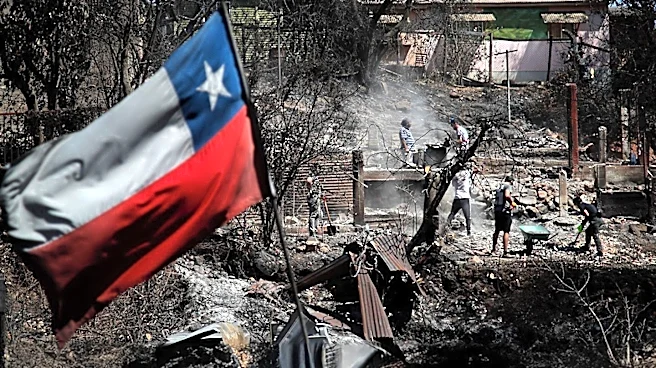
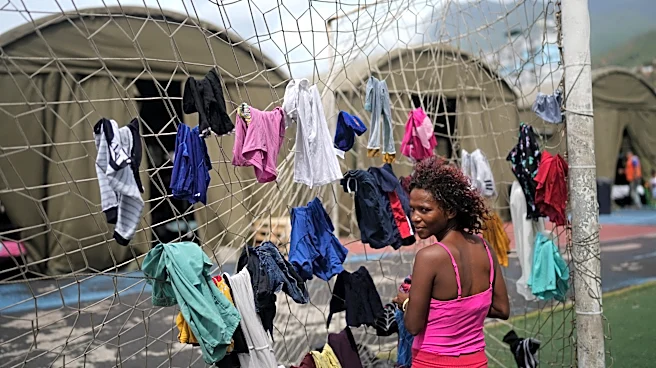
the healthcare system is overwhelmed, with three hospitals critically damaged and others only partially functional. The earthquakes have left at least 3,535 dead and thousands more injured or missing. Displaced populations are facing new health issues such as dehydration, respiratory infections, and skin diseases due to exposure and lack of access to medical care. International aid groups have set up field clinics and mobile units to provide primary care and psychological support. However, the pre-existing shortages of essential medicines, exacerbated by Venezuela's economic collapse, continue to hinder recovery efforts.
Why It's Important?
The situation in Venezuela highlights the critical role of international aid in disaster response, especially in countries with fragile healthcare systems. The earthquakes have compounded existing healthcare challenges, revealing the vulnerabilities of a system already strained by economic collapse and political instability. The influx of international aid is crucial for addressing immediate health needs and preventing disease outbreaks. However, the long-term recovery will require rebuilding infrastructure and addressing systemic issues within the healthcare system. The crisis underscores the importance of global cooperation in humanitarian efforts and the need for sustainable solutions to healthcare access in vulnerable regions.
What's Next?
As aid continues to arrive, the focus will shift to long-term recovery and rebuilding efforts. International organizations and local authorities will need to collaborate on restoring healthcare infrastructure and ensuring the availability of essential medicines. The Venezuelan government, along with international partners, will likely face pressure to address the underlying economic and political issues that have contributed to the healthcare crisis. Continued support from the international community will be essential in stabilizing the situation and preventing further deterioration of public health conditions.
Beyond the Headlines
The crisis in Venezuela also raises ethical questions about the responsibility of the international community in supporting countries with failing systems. The reliance on international aid highlights the need for stronger global health governance and the importance of building resilient healthcare systems that can withstand natural disasters. Additionally, the role of local communities and grassroots organizations in filling gaps left by formal systems demonstrates the power of community resilience and solidarity in times of crisis.