
What's Happening?
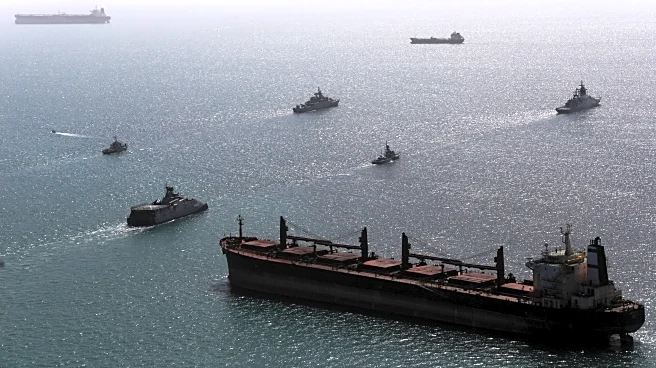
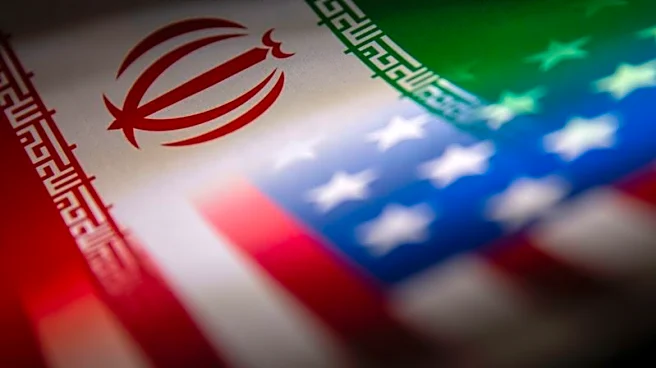
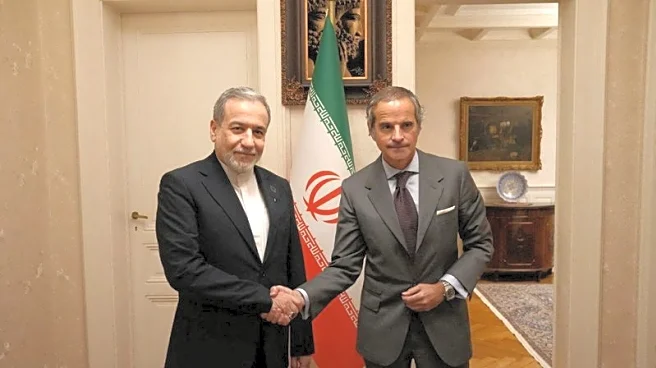
The United States is bolstering its military presence in the Middle East as negotiations over Iran's nuclear program have reached an impasse. President Trump has indicated that he is still advocating for a diplomatic resolution, providing Tehran with
a 10 to 15-day window to reach an agreement. Despite these efforts, the Pentagon is preparing for the potential of sustained military strikes should the talks fail to progress. This development comes as tensions remain high in the region, with the U.S. seeking to apply pressure on Iran to comply with international nuclear agreements.
Why It's Important?
The increased U.S. military presence in the Middle East underscores the strategic importance of the region and the potential for escalation if diplomatic efforts with Iran do not succeed. This move could have significant implications for regional stability and global oil markets, as any conflict could disrupt oil supplies and impact global prices. Additionally, the situation highlights the ongoing challenges in U.S.-Iran relations and the broader geopolitical dynamics involving other regional powers. The outcome of these talks could influence U.S. foreign policy and military strategy in the Middle East for years to come.
What's Next?
In the coming days, the focus will be on whether Iran responds to the U.S. ultimatum and engages in meaningful negotiations. The international community, including allies and adversaries, will be closely monitoring the situation. Should the talks fail, the U.S. may proceed with military actions, which could provoke responses from Iran and potentially involve other regional actors. Diplomatic efforts by other nations may also intensify to prevent further escalation and seek a peaceful resolution.